You love beautiful spaces, curated streetscapes, and the energy that comes from living where architecture, art, and daily life meet. Boston gives you all of that in a compact city you can actually walk. The challenge is figuring out which neighborhood matches your design taste and lifestyle. In this guide, you will learn how six central neighborhoods feel on the ground, what homes look like inside, and the real-world tradeoffs that come with brownstones, lofts, and glassy towers. Let’s dive in.
Back Bay: Refined 19th-century elegance
Back Bay is Boston’s planned showcase of limestone and brownstone townhouses with Beaux-Arts flair. Long rows along Commonwealth Avenue and Newbury Street deliver a cohesive, classic look with details like ironwork and historic stoops. Newer luxury towers and boutique infill add a contemporary edge at the neighborhood’s borders.
You get upscale shopping and design showrooms, galleries, and high-end dining within a few blocks. The Public Garden and Boston Common sit just next door, so quick green relief is easy. Street-level retail brings daily convenience, and the central location means short, walkable commutes.
Homes range from historic townhouses converted into condos to luxury high-rise residences. Many brownstones keep original moldings and fireplaces with modernized interiors. Walkability is top-tier, so many residents skip the car altogether.
Beacon Hill: Historic intimacy and charm
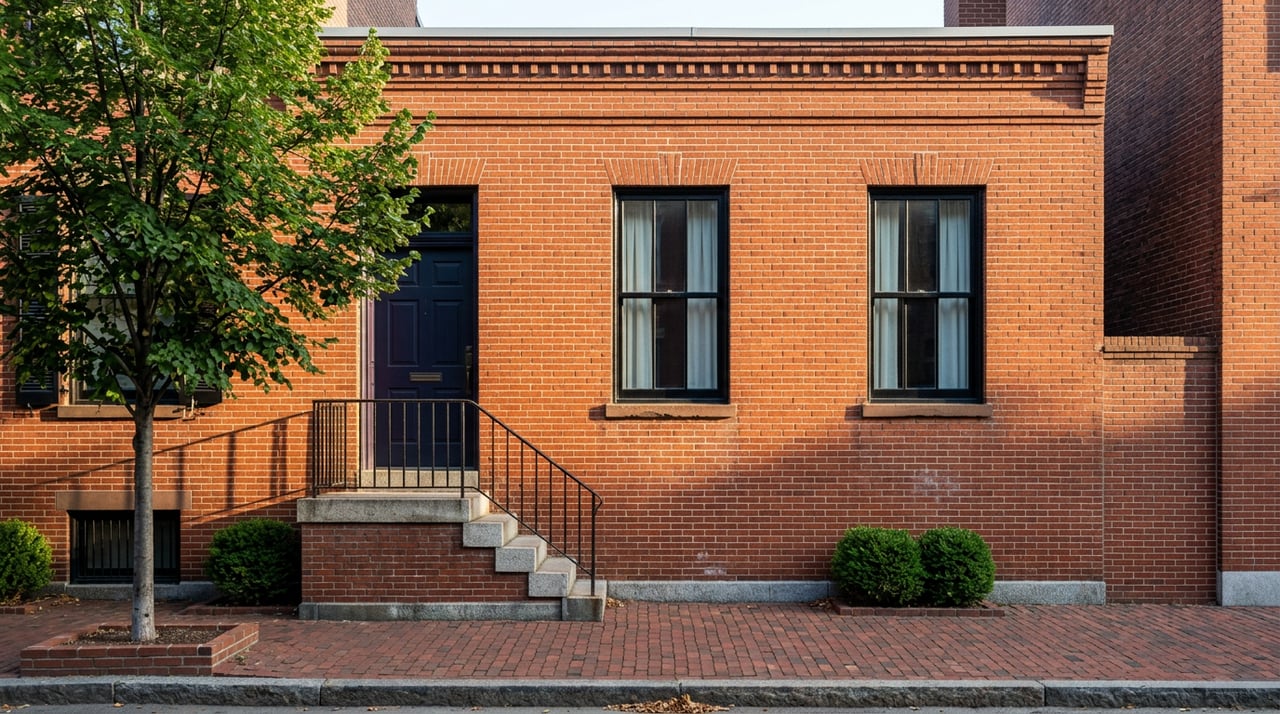
Beacon Hill’s brick Federal and Greek Revival rowhouses line narrow, gas-lit streets. It is one of Boston’s most protected historic districts, and that preservation shows in the intact streetscape and careful upkeep. You feel tucked into a small-scale neighborhood yet connected to downtown.
Life here is quiet and residential with niche boutiques, civic landmarks nearby, and the Charles River Esplanade a short walk away. The vibe is intimate and authentic, with a strong sense of place.
Housing is primarily historic rowhouses and small condo conversions. Single-family and multi-level brownstones are prized and limited. You choose Beacon Hill if you value historic authenticity and are comfortable with more constrained options when it comes to exterior changes.
South End and SoWa: Arts and loft energy
The South End blends Victorian brick rowhouses with pockets of former industrial buildings. In SoWa, you find galleries, studios, and weekly design and antique markets. It feels creative and social, with independent home-furnishing shops and active community events.
Lifestyle here revolves around food and the arts. You can browse design stores, catch a market, then walk to dinner on the same block. Transit options are strong, and daily errands are easy on foot.
You will see a mix of stacked condos in brownstones, authentic lofts in converted buildings, and newer infill residences. If you want flexible, light-filled spaces or period details paired with modern interventions, this is a great fit.
Seaport and Fort Point: Contemporary waterfront living
The Seaport has transformed into a modern waterfront district of glass-and-steel architecture, new plazas, and amenity-rich buildings. Fort Point preserves the area’s warehouse roots with loft conversions and exposed brick, while still feeling current.
You get trend-forward dining, design-forward retail, access to the water, and the Institute of Contemporary Art anchoring the cultural scene. Office and studio spaces bring weekday life, and nightlife keeps evenings active.
Housing includes luxury high-rise condos with skyline or water views, warehouse lofts in Fort Point, and mixed-use buildings with ground-floor retail. The district is walkable, with improving transit connections, though some parts feel more car-oriented than Back Bay or Beacon Hill.
Fenway and Kenmore: Culture and convenience
Fenway and Kenmore center around cultural institutions, including the Museum of Fine Arts and Symphony. You will see brick apartment blocks, university buildings, and newer glass residences that signal steady redevelopment.
The area offers a strong cultural calendar, casual dining, and growing retail for daily needs. It balances urban energy with access to museums, parks, and transit on the Green Line.
Homes include mid-rise buildings, condo conversions, and new developments with modern amenities. If you want to live near cultural anchors and stay connected to downtown, this corridor makes sense.
South Boston: Local identity, new waterfront
South Boston mixes traditional rowhouses and triple-deckers with modern waterfront projects. It holds onto its sense of place while adding new restaurants, parks, and connections to the Seaport.
You can walk to beaches and harbor walks, commute quickly to downtown and Seaport, and enjoy a growing dining scene. Transit continues to improve with bus and Silver Line service.
Housing ranges from classic wood-frame homes to new waterfront condos and lofts. If you want a neighborhood identity with both traditional and modern housing options, put South Boston on your list.
Housing styles and design tradeoffs
Design-minded buyers in Boston often weigh character against convenience. Here is how the main housing types stack up.
Brownstones and townhouses
- Design appeal: Original moldings, fireplaces, staircases, and a classical sense of proportion. The best interiors layer old and new.
- Practicalities: Many need system upgrades like HVAC, wiring, and insulation. Exterior changes in historic districts are tightly regulated.
- Pricing: Often among the most premium homes in Back Bay, Beacon Hill, and the South End. Budget for updates if the property is not recently renovated.
- Resale: Desirable and limited, though highly customized interiors can narrow your buyer pool later.
Lofts and industrial conversions
- Design appeal: High ceilings, open plans, exposed materials, and flexible layouts that suit minimal or industrial-chic styles.
- Practicalities: Sound separation and window performance vary by building. Some conversions deliver modern mechanicals and amenities.
- Pricing: Authentic Fort Point lofts and well-located South End conversions can command premiums, especially with views or building amenities.
Luxury high-rise condos
- Design appeal: Contemporary finishes, big windows, curated common spaces, and services like doormen and concierges.
- Practicalities: HOA fees are higher, and interior changes can be limited by building rules. Turnkey convenience is a strong draw.
- Pricing: High per-square-foot pricing, especially with skyline or waterfront views. Strong demand for modern, move-in-ready living.
Condos vs. co-ops
- Co-ops: You purchase shares and typically need board approval. Rules can be stricter on subletting and renovations.
- Condos: More common in newer buildings. Financing and resale can be more straightforward, though HOA rules still apply.
- Design impact: Co-op and HOA approvals plus historic rules can affect timelines and scope. Plan your design schedule accordingly.
Multifamily and triple-deckers
- Design appeal: Flexibility to owner-occupy one unit and reconfigure others over time.
- Practicalities: Zoning and building code upgrades can apply when you change layouts or uses. Factor in potential lead paint or prior alterations in older buildings.
Renovation rules to know
Understanding what you can change will save you time and money before you buy.
Historic district oversight
Beacon Hill, Back Bay, Bay Village, and parts of the South End are local or national historic districts. Exterior changes such as windows, stoops, and façade work often require review by a local historic commission. Interior work is typically less regulated, but co-op boards and HOAs can control work that touches structure or common elements.
Before planning exterior changes, consult the Boston Landmarks Commission and neighborhood preservation groups. Early conversations help you align your design vision with local guidelines.
Permits and building code basics
Structural changes, major plumbing or electrical work, or adding units require permits from the City of Boston’s Inspectional Services Department. Larger projects may need filings with the Boston Planning and Development Agency.
Older brownstones can include lead paint, asbestos, or outdated wiring. Use licensed professionals for testing and remediation to keep your project safe and compliant.
Condo and co-op governance
Renovations in condos must follow bylaws, with management approvals and scheduled contractor hours. Co-ops often require more formal design reviews and can restrict subletting or short-term rentals.
Read building documents before you write an offer. Knowing the rules reduces surprises and protects your renovation timeline.
Zoning and use
Zoning maps and recent rezonings around the Seaport and South Boston influence height limits, uses, and redevelopment potential. City resources and the BPDA can clarify what is possible on a specific site.
Always verify zoning and use questions at the property level. Block-to-block differences can be significant.
Day-to-day design living
Great design should make your daily routine easier and more inspiring. Here are practical factors to weigh when comparing neighborhoods and homes.
Light and ceilings
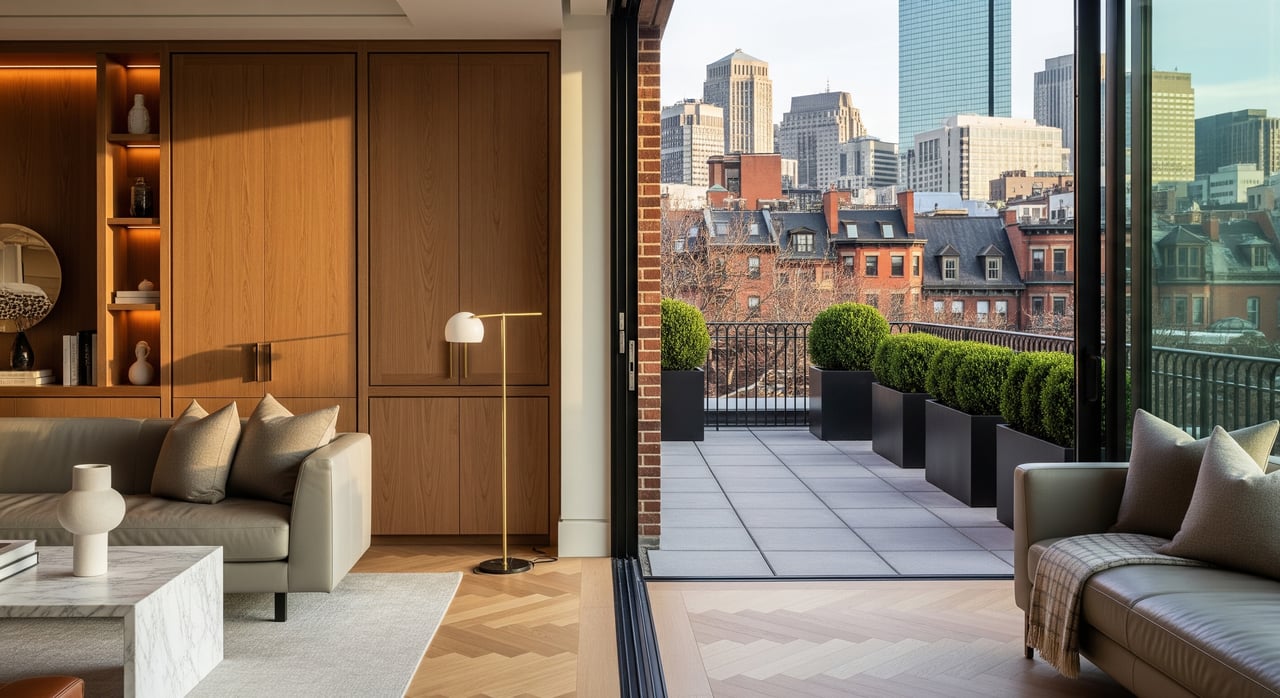
Lofts and warehouse conversions deliver the highest ceilings and dramatic natural light. Brownstones can feel luminous on top floors or corners, but narrow footprints limit through-light on lower levels. High-rise condos typically offer larger window walls for views and daylight.
Walk units at different times of day to understand orientation and sun patterns. Daylight quality has a big impact on how your interiors feel.
Storage and outdoor space
Historic homes often lack closets. Built-ins, under-stair solutions, and off-site storage can solve the problem without compromising character. In the South End, some units include small rear gardens or courtyards, while Back Bay and Beacon Hill offer stoops and occasional roof decks. Newer Seaport buildings often add balconies, terraces, or shared roof amenities.
If you hope to add a deck, expect to navigate permits and possible historic review. Start with building documents and neighborhood guidelines.
Parking and pets
Central neighborhoods are walkable, so many residents go car-free. When you need a space, expect higher costs for garages or condos with deeded parking. Brownstones seldom include on-site parking.
Pet rules vary by building. Modern buildings tend to be more pet-friendly, while some older properties have restrictions. Check HOA or co-op policies early.
Close to design resources
Back Bay’s Newbury Street concentrates furniture and lighting boutiques. SoWa brings art markets, galleries, and design studios. The Museum of Fine Arts and the Institute of Contemporary Art serve as creative anchors.
Proximity to showrooms and trades shortens project timelines. Being close to designers, architects, and contractors makes meetings and site visits easier.
How to choose your fit
Use your design vision and daily routine to narrow the field.
- If you want contemporary minimalism with amenities, tour Seaport towers and Fort Point lofts.
- If you love classic interiors and intact streetscapes, explore Beacon Hill and Back Bay brownstones.
- If you want art, markets, and flexible spaces, focus on the South End and SoWa.
- If you want a mix of tradition and fresh development, consider South Boston.
- If culture and convenience lead, map your life around Fenway and Kenmore.
Then layer in practicalities: renovation tolerance, HOA rules, parking needs, light and ceiling height, and access to showrooms. For pricing and inventory, ask for the latest MLS-backed report rather than relying on outdated figures.
Work with a design-led team
A great Boston home becomes exceptional when design and brokerage work together. You deserve a partner who can evaluate feasibility in historic districts, scope renovation options, and guide you toward homes with the right bones for your style. You also benefit from strategic presentation if you decide to sell later.
With integrated brokerage and an in-house design studio, you can move from concept to closing with one accountable team. If you are ready to compare neighborhoods, walk potential fits, and map out a design plan, reach out to Covelle & Company for a design-forward strategy that aligns your taste, timeline, and budget.
FAQs
What is the best Boston neighborhood for modern minimalist interiors?
- Seaport and Fort Point offer new construction and authentic lofts with open plans, large glazing, and amenity-rich buildings that suit minimal, contemporary design.
Where can I find classic historic interiors in Boston?
- Beacon Hill and Back Bay provide the most intact historic fabric and classical proportions, with the South End offering Victorian character blended with modern updates.
How restrictive are renovation rules in historic districts?
- Exterior changes in districts like Beacon Hill, Back Bay, and parts of the South End typically require review, while interior work is less constrained but still subject to HOA or co-op rules.
Do brownstones often need system upgrades in Boston?
- Yes. Many require HVAC, electrical, insulation, and possible structural updates if not recently renovated, which should be factored into your budget.
Are there walkable neighborhoods with modern amenities and architecture?
- Yes. The Seaport combines contemporary architecture with dense amenities and remains walkable to downtown, with improving transit connections.
What are the tradeoffs between brownstones and luxury towers in Boston?
- Brownstones deliver character and uniqueness but can require renovations and have limited exterior changes allowed; towers offer turnkey living, amenities, larger windows, and higher HOA fees.