Cambridge is one of those markets where small real estate decisions can have big financial consequences. If you are thinking about buying a condo, a two-family, or a triple-decker style property as an investment, you are probably balancing high prices, strong rental demand, and a lot of moving parts. The good news is that Cambridge offers real opportunity if you understand the numbers, the property types, and the city rules that shape the deal. Let’s dive in.
Why Cambridge draws investors
Cambridge remains a high-demand housing market with deep rental demand. The city reports 58,966 total housing units permitted or completed as of June 30, 2025, and the 2020 to 2024 ACS shows that 66.5% of occupied units are renter-occupied, compared with 33.5% owner-occupied. That renter-heavy mix matters if your investment plan depends on leasing.
Demand is also supported by the local employment base. Cambridge estimates a daytime population of 197,000 and reports 143,399 people working in the city in the 2024 ACS 1-year estimate. In practical terms, that helps explain why rental demand tends to stay broad even in a very expensive market.
The housing stock also gives small-scale investors multiple entry points. City planning materials show a mixed-density housing landscape, including 11.9% of dwelling units in 2-unit properties, 10.5% in 3-unit properties, 8.8% in 4 to 6 unit properties, and 27.6% of dwelling units as condominiums. In neighborhoods like Cambridgeport, triple-decker type homes are part of the city’s long-standing building fabric, which makes them familiar products in the local market.
Comparing condos and triples
If you are deciding between a condo and a small multifamily, the first difference is usually your acquisition basis. Cambridge’s 2024 market-rate sales data shows a median sale price of $870,000 for condominiums, $1,542,500 for two-family homes, and $1,822,500 for three-family homes. That means the lower-price entry point is often the condo, but the income profile can look very different.
A condo may appeal if you want a simpler footprint, a cleaner renovation scope, or a resale play tied to presentation and finish quality. A triple or two-family may appeal if your priority is income spread across multiple units or a repositioning strategy that depends on improving several rent streams. In Cambridge, both can work, but they usually serve different investor goals.
Recent listing snapshots also show how wide the price range can be. Current examples cited in the research run from roughly $649,999 to $1.85 million for condos, while multifamily listings include examples such as a $1.495 million two-family and a $2.15 million renovated three-unit property. That spread is a reminder that condition, layout, unit mix, and location can move pricing a lot.
ROI basics in plain English
Before you build a full pro forma, it helps to start with a simple screen. The city’s 2025 Q3 market-rate asking rents show median rents of $2,200 for studios, $2,785 for 1-bedrooms, $3,400 for 2-bedrooms, and $3,900 for 3-bedrooms. These figures exclude affordable units and university-controlled properties, so they work best as market-rate benchmarks.
Using the city’s sale and rent medians as a rough filter, a median-priced condo rented like a 1-bedroom or 2-bedroom implies about a 3.8% to 4.7% gross yield. A median-priced three-family rented at 1-bedroom or 2-bedroom median rents implies about a 5.5% to 6.7% gross yield. That does not mean the three-family automatically performs better in real life, but it does suggest why many investors look harder at small multifamily in Cambridge.
Just remember what gross yield leaves out. This quick math excludes taxes, insurance, vacancy, repairs, capital expenditures, management, financing, and any condo or association costs. It is a first-pass screen, not a decision tool.
A simple way to underwrite Cambridge deals
In a market this expensive, small underwriting mistakes can get amplified fast. A practical Cambridge framework is to focus on acquisition basis, renovation scope, permitting risk, holding cost, and exit quality. If one of those pieces is weak, your margin can narrow quickly.
It also helps to think in terms of market fit. In Cambridge, details like layout efficiency, outdoor space, parking, and finish level can affect both rent potential and resale appeal. Those factors may seem secondary on paper, but in a high-cost market they can materially change your outcome.
Here is a simple checklist to pressure-test a deal:
- Acquisition basis: Are you buying at a price that leaves room for work, carry costs, and a realistic exit?
- Unit layout: Do the bedrooms, baths, and common spaces align with what the market typically rents or buys?
- Renovation scope: Are you doing cosmetic upgrades, system work, or a deeper reconfiguration?
- Permitting path: Will the work require building permits, historic review, or added approvals?
- Exit plan: Are you holding as a rental, selling as a condo, or reselling as a multifamily asset?
Why design matters to ROI
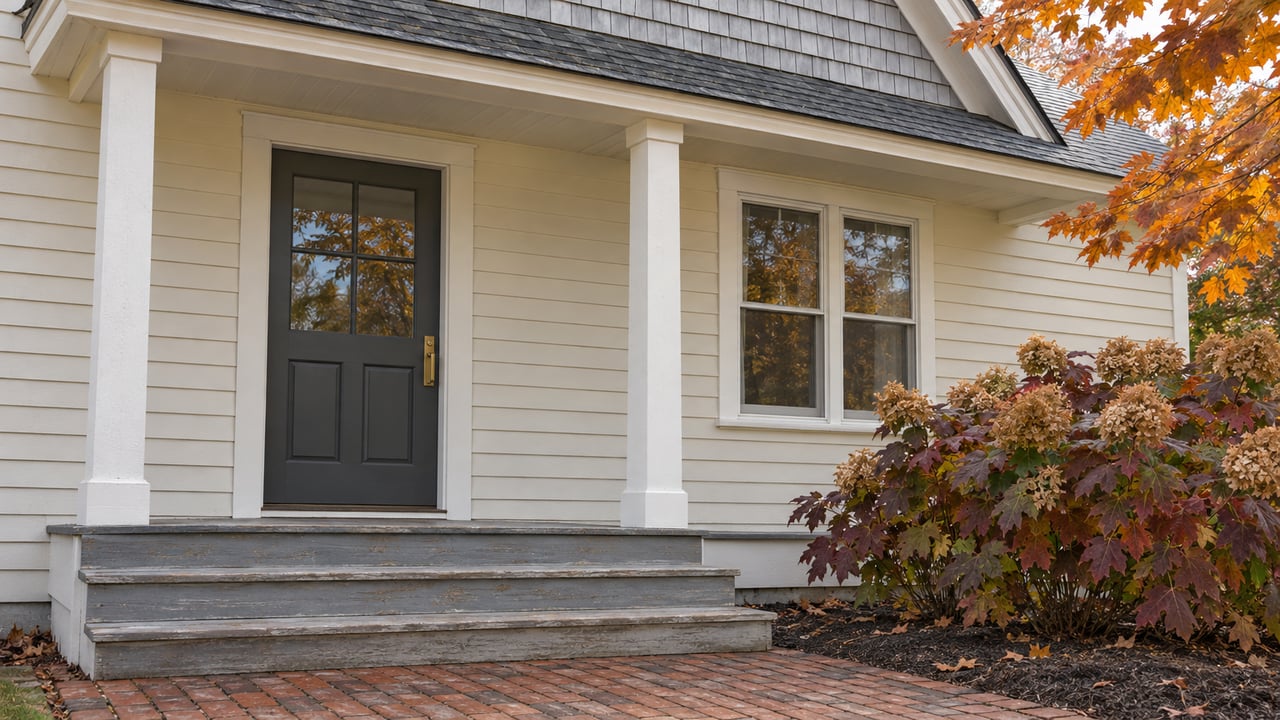
In Cambridge, design is not just about aesthetics. It is part of the investment case. The city’s multifamily design guidance emphasizes compatibility with surrounding buildings, durable materials, well-considered entrances, facade articulation, and details like stoops, porches, bay windows, dormers, and thoughtfully proportioned windows.
The guidelines are voluntary, but they still matter because they reflect what Cambridge considers good urban form. If you are renovating or repositioning a property, your choices around materials and presentation can influence how well the finished product fits the market. In a city where older housing stock often competes directly with renovated homes, finish quality can shape both buyer perception and leasing performance.
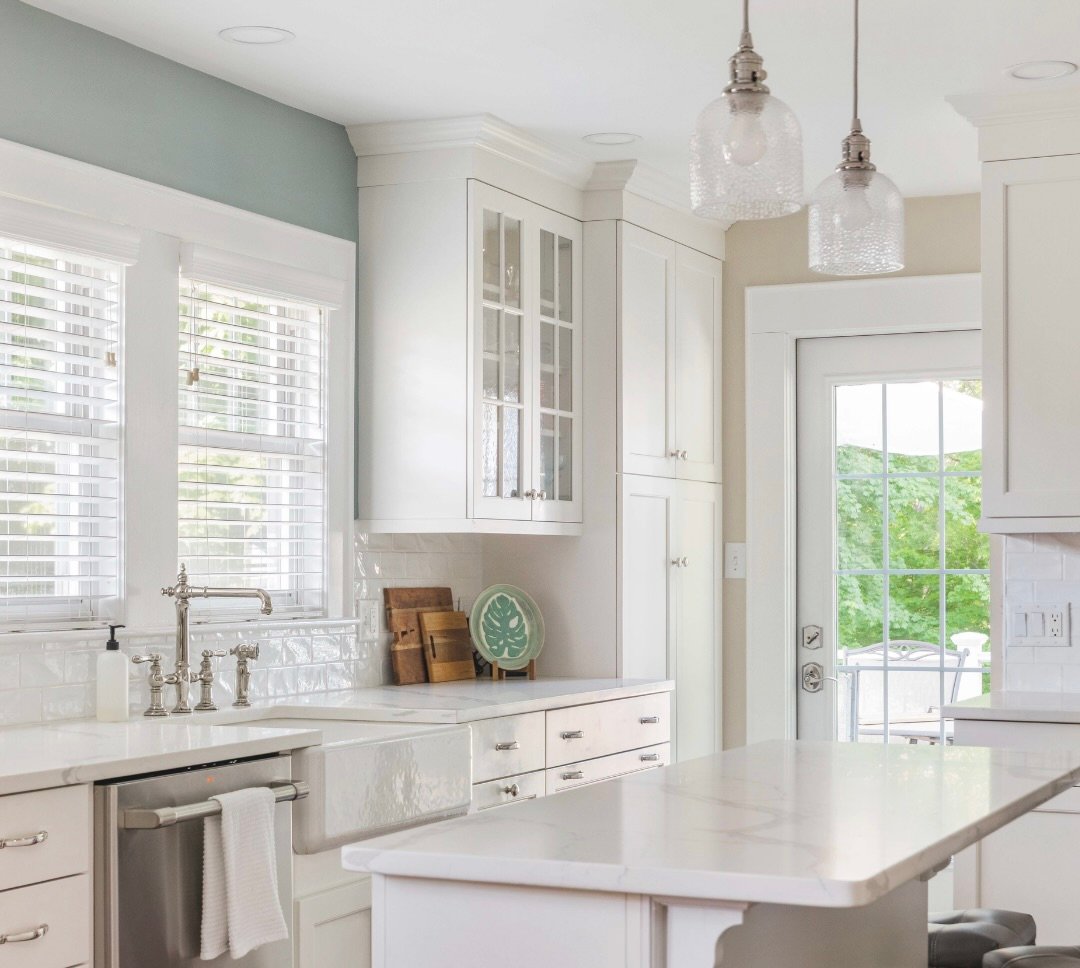
This is where a design-forward strategy can make a real difference. The right scope is not always the biggest scope. Sometimes the better return comes from improving flow, light, storage, kitchens, baths, and curb appeal rather than overbuilding.
Permitting and historic review to know upfront
Any Cambridge project involving construction, alteration, repair, or demolition requires a building permit before work begins. That makes early planning critical, especially if your timeline is tight or your carry costs are meaningful. You do not want permitting questions showing up after your closing.
Historic review is another major variable. The city states that structures in historic districts, neighborhood conservation districts, landmarks, or properties with preservation restrictions require Cambridge Historical Commission approval. It also states that structures more than 50 years old cannot be demolished without Historical Commission approval.
The Historical Commission offers free technical assistance to property owners who want to restore or rehabilitate older buildings, and it encourages informal consultation before permit applications are filed. The city also notes that some interior-only or in-kind repairs can be approved administratively, while protected properties need a certificate before work starts. If demolition is part of your plan, the risk is higher because Cambridge’s ordinance can delay demolition for up to 12 months if a building is found significant.
How zoning changes affect small-scale investing
Cambridge adopted citywide multifamily zoning effective February 10, 2025. The city says all residential neighborhoods are now zoned to allow multifamily housing, base zoning is Residence C-1, residential buildings can rise to four stories as-of-right, and lots over 5,000 square feet can reach six stories if 20% of the residential floor area is permanently affordable.
The zoning update also removed minimum lot size, maximum unit count, and maximum floor-area limits for housing. For small-scale investors, that expands the range of properties that may be worth evaluating for renovation, conversion, or replacement. It can create more flexibility at the early screening stage.
That said, zoning is only one layer. Building codes, Inclusionary Housing, green-building rules, tree protection, and Historic Commission review still apply where relevant. So while the zoning shift opens doors, it does not remove the need for careful due diligence.
Thinking about your exit strategy
An investment only works if the exit works. Cambridge’s broader market has remained active, but it is selective. Research cited in the report shows homes in the broader Cambridge market sold after 40 days on average in March 2026, while condo listings had a median of 29 days on market and multi-family listings had a median of 26 days, each with about two offers.
That pace can sound encouraging, but it does not guarantee speed. In practice, it means your product still needs a clear story, realistic pricing, and polished presentation. In Cambridge, the market can move quickly for the right asset, but it usually rewards quality and punishes misalignment.
For many small investors, the best exit question is not just, “What will it sell for?” It is also, “Will the finished property feel complete, cohesive, and well-positioned for the Cambridge buyer or renter?” That is often where smart design and disciplined execution come together.
Where investors often get tripped up
Cambridge can be rewarding, but it is not forgiving. Investors often run into trouble when they assume high rents will offset a weak basis, underestimate permit timing, or over-improve without a clear resale audience. In a high-cost market, your margin can disappear even when the property looks promising at first glance.
Another common issue is treating design as a cosmetic line item instead of a core part of the strategy. In Cambridge, the way a home lives, photographs, and fits its setting can influence both the speed and quality of your exit. That is especially true for condos and small multifamily properties competing against thoughtfully renovated inventory.
A smart first step in Cambridge
If you are considering small-scale investing in Cambridge, start by matching your goals to the property type. A condo may suit a lighter-value-add strategy or a design-led resale plan. A two-family or triple may offer stronger income potential on paper, but it also tends to bring more operational, permitting, and renovation complexity.
The strongest projects usually begin with honest underwriting and a realistic scope. When you combine local data, a clear permit path, and design choices that fit the Cambridge market, you give yourself a better chance of protecting your downside and improving your exit.
If you want a partner who understands both the numbers and the presentation side of Cambridge real estate, Covelle & Company can help you evaluate opportunities, shape the right renovation strategy, and bring a polished product to market.
FAQs
What makes Cambridge attractive for small-scale real estate investing?
- Cambridge has strong rental demand, a renter-heavy housing mix, a major local employment base, and a housing stock that includes many condos, two-families, and three-families.
What are typical Cambridge prices for condos and triples?
- The city’s 2024 market-rate sales data shows median sale prices of $870,000 for condos, $1,542,500 for two-family homes, and $1,822,500 for three-family homes.
What are current Cambridge market-rate rent benchmarks?
- The city’s 2025 Q3 asking-rent data shows median market-rate rents of $2,200 for studios, $2,785 for 1-bedrooms, $3,400 for 2-bedrooms, and $3,900 for 3-bedrooms.
What is a gross yield estimate for a Cambridge condo or three-family?
- Using city sale and rent medians as a rough screen, a median-priced condo may imply about 3.8% to 4.7% gross yield, while a median-priced three-family may imply about 5.5% to 6.7% gross yield before expenses.
What permits do Cambridge renovation projects usually require?
- Cambridge states that construction, alteration, repair, or demolition projects require a building permit before work starts, and some properties may also require historic or preservation review.
What should Cambridge investors know about historic review?
- Properties in historic districts, neighborhood conservation districts, landmarks, or with preservation restrictions require Historical Commission approval, and demolition of structures over 50 years old also requires approval.
How does Cambridge’s 2025 zoning change affect small investors?
- The citywide multifamily zoning update allows multifamily housing in all residential neighborhoods and broadens the range of parcels that may be worth evaluating for renovation, conversion, or redevelopment.
Why does design matter so much in Cambridge investment properties?
- In Cambridge, layout, material quality, curb appeal, and overall presentation can influence rent potential, resale value, and time on market, especially in a competitive high-price environment.