If you are listing a home in Wakefield, presentation is not a small detail. In a market where homes still move quickly and often attract multiple offers, the way your home looks, lives, and photographs can shape both buyer interest and your final number. The good news is that you do not need to guess where staging matters most. With the right prep plan, you can focus on the updates and design choices that help buyers connect fast. Let’s dive in.
Why staging matters in Wakefield
Wakefield remains a competitive market. Redfin’s March 2026 snapshot shows a median sale price of $810,500, homes taking about 27 days to sell, and roughly four offers per home. That kind of pace can make it tempting to think any well-located home will sell itself.
But fast markets do not erase buyer psychology. They often sharpen it. When several listings are competing for attention at the same time, buyers notice which homes feel clean, easy to understand, and ready for move-in from the first photo through the first showing.
Wakefield’s local housing plan offers a useful benchmark here. Near the end of 2024, the median single-family sale price was $825,000 and the median condo sale was $564,000. At those price points, buyers tend to expect a home that feels cared for and visually coherent, even if it is not fully renovated.
What staging changes for buyers
Staging works because it helps buyers picture daily life in the home. According to the 2025 Profile of Home Staging, 83 percent of buyers’ agents said staging made it easier for buyers to visualize the property as their future home. That matters because buyers make emotional decisions quickly, then use facts to support them.
The same report found that 49 percent of sellers’ agents saw reduced time on market from staging, while 29 percent reported a staging-related increase in offer price of 1 percent to 10 percent. That does not mean every home needs full-service staging. It does mean presentation can protect price and improve how quickly buyers act.
In practice, staging reduces visual friction. Neutral paint, cleaner sight lines, and coordinated furnishings can help buyers focus on space, light, and layout instead of distractions.
Focus on the rooms buyers notice first
Not every room carries the same weight. The NAR staging profile found that buyers care most about the living room, primary bedroom, and kitchen. Those are also the rooms most often staged before listing.
For sellers in Wakefield, that gives you a smart priority list:
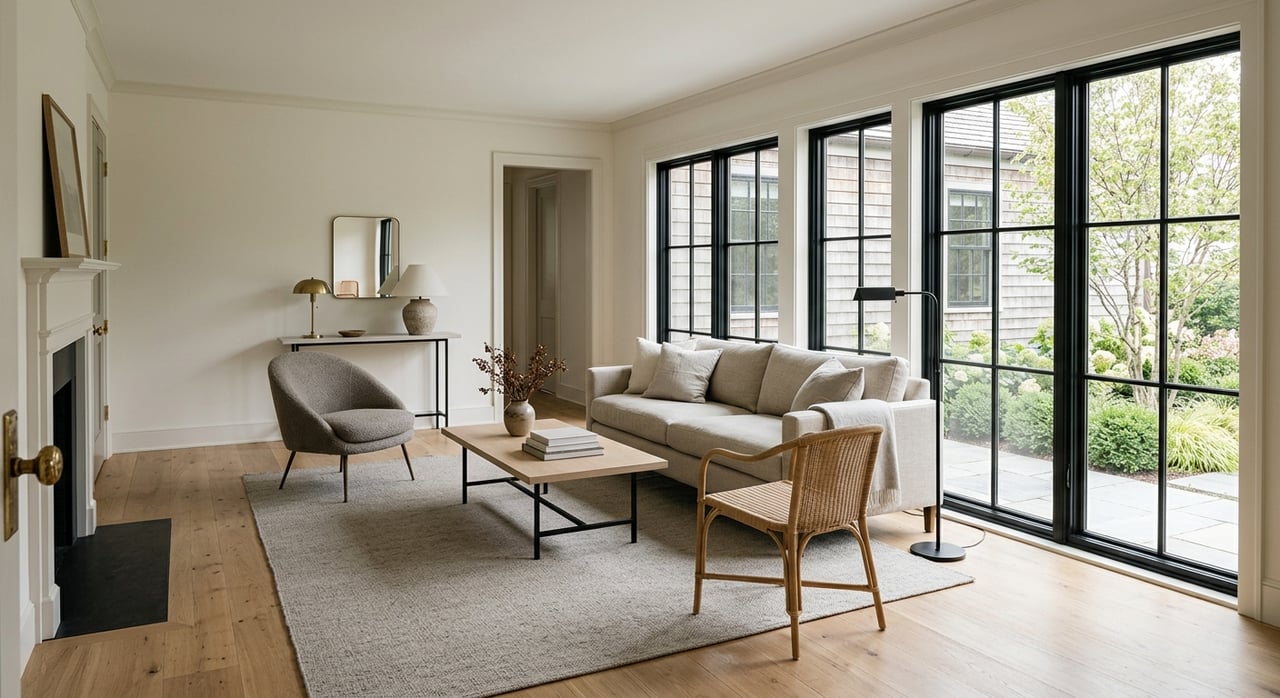
- Living room: Make the main gathering space feel open, balanced, and easy to navigate.
- Primary bedroom: Create a calm, restful look with simple bedding and less furniture.
- Kitchen: Clear counters, simplify decor, and let storage, light, and workspace stand out.
If your budget is limited, start there. A focused prep strategy often does more for your bottom line than spreading money thinly across every corner of the house.
Listing photos matter as much as staging
Today, staging is not just about in-person showings. It is also about how your home performs online. In the NAR survey, 73 percent of buyers’ agents rated photos as the most important part of the presentation package, ahead of traditional staging, videos, and virtual tours.
That means your prep plan should support the camera as much as the visitor. Rooms should feel bright, intentional, and uncluttered, with furniture scaled to the space and clear visual flow from one area to the next.
For many sellers, this is where design strategy pays off. A well-prepped home can read as more spacious, more polished, and more valuable in photos long before a buyer ever opens the front door.
Full staging is not always necessary
One of the most useful findings in the staging data is that many agents do not stage every listing. NAR found that 51 percent of sellers’ agents do not stage every home but do recommend decluttering or fixing property faults.
That is an important point for Wakefield sellers. The goal is not to decorate for decoration’s sake. The goal is to remove obstacles that keep buyers from seeing the home clearly.
A lower-cost prep plan can still be highly effective when it includes:
- Decluttering surfaces and storage areas
- Removing oversized or extra furniture
- Touching up paint in a neutral color palette
- Updating worn light fixtures or hardware where needed
- Deep cleaning from floor to ceiling
- Improving room layout for better flow
Match the staging to the home style
Wakefield has a varied housing stock, and your staging approach should support the architecture instead of fighting it. Buyers respond best when the presentation feels natural to the home.
Staging a Wakefield Colonial
Wakefield has a strong Colonial Revival tradition, with colonial-derived forms remaining a major part of the town’s visual character. These homes often read best when the layout feels balanced and the architectural symmetry is easy to see.
If you are listing a colonial, keep the entry clean and centered. Use furniture placement that reinforces proportion rather than crowding the room. A calm, tailored look usually works better than trendy styling because it highlights the home’s original order and structure.
Staging a Wakefield Cape
Cape Cod houses are common in New England and are often more modest in scale. They are usually one and one-half stories tall, compact, and efficient. That can make them charming, but it can also make them feel smaller if the furnishings are too heavy or the layout is too busy.
For a Wakefield cape, aim to make the home feel brighter, lighter, and more functional. Smaller-scale furniture, fewer accessories, and a stronger focus on circulation can help the rooms feel larger than the footprint suggests.
Staging a Wakefield condo
Condos are an important part of the local market, with a median sale price of $564,000 near the end of 2024. In condo listings, buyers often pay close attention to how well the space functions day to day.
That means staging should emphasize clarity over decoration. Define each living zone, show storage where possible, and keep the living room, primary bedroom, and kitchen especially streamlined. In smaller spaces, restraint tends to read as confidence.
Start outside before you spend big inside
If you are deciding between staging, cosmetic updates, or larger renovations, the best answer is often a smart mix. The 2025 Cost vs Value Report for Boston showed especially strong resale returns for exterior improvements such as garage door replacement, steel entry door replacement, fiber-cement siding replacement, and manufactured stone veneer. A midrange minor kitchen remodel also performed well.
NARI’s summary of the same report noted that exterior projects made up eight of the top ten resale-value items. That supports a simple reality for sellers: buyers start forming opinions before they ever step inside.
For many Wakefield homes, a practical prep hierarchy looks like this:
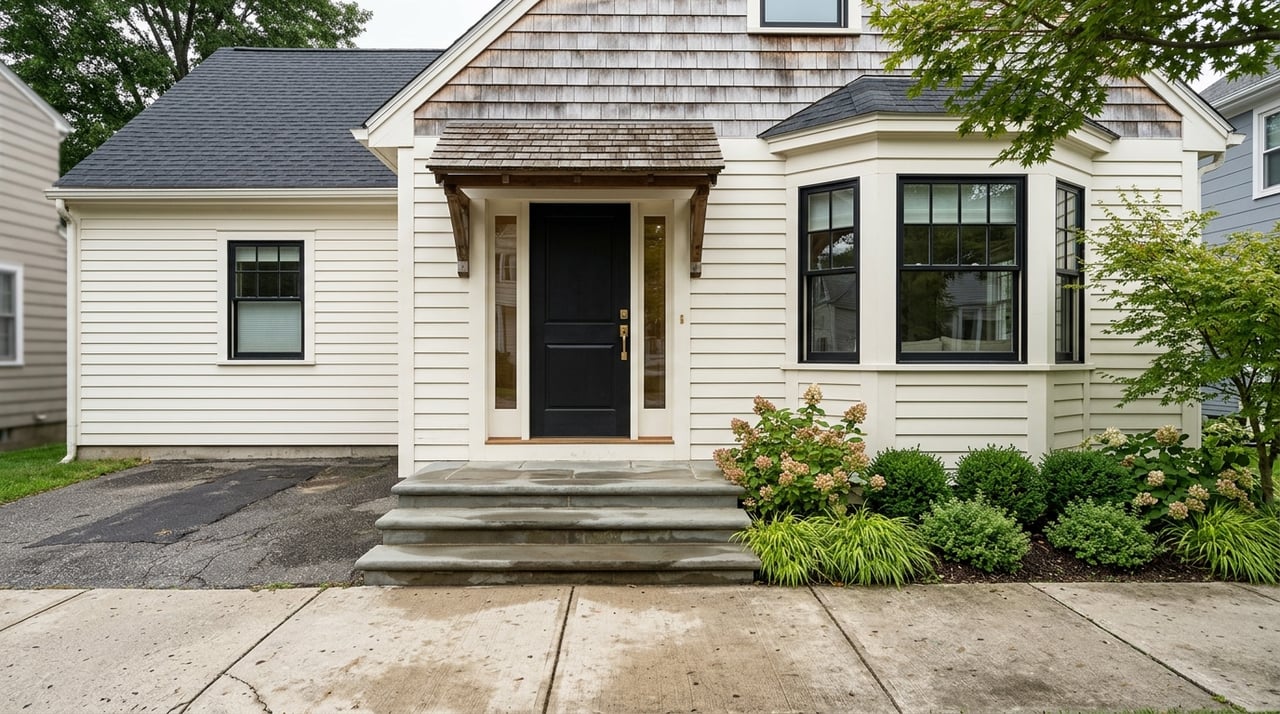
- Refresh curb appeal first with the front door, garage door, trim, exterior lighting, and basic landscaping.
- Fix visible condition issues that suggest deferred maintenance.
- Declutter and stage key interior rooms for photos and showings.
- Consider selective interior updates only where wear or dated finishes could affect buyer confidence.
This approach helps you spend where buyers are most likely to notice and respond.
How staging protects your bottom line
Sellers often ask whether staging is really worth it in a market like Wakefield. The better question is what happens when your home feels less move-in ready than the competition.
In a multiple-offer environment, staging can help your home feel more compelling at the exact moment buyers are comparing options. It can reduce hesitation, strengthen first impressions, and support stronger listing media. All of that can influence how confidently buyers write and how quickly they act.
That is why we view staging as a price-protection and time-to-market strategy, not just a design exercise. When done well, it helps your home communicate value clearly from the start.
A smarter prep plan for Wakefield sellers
The strongest listing strategy is rarely about doing everything. It is about doing the right things in the right order. In Wakefield, that usually means improving curb appeal, simplifying the interior, and focusing your effort on the rooms buyers care about most.
If your home is a colonial, cape, or condo, the details may change, but the principle stays the same. Buyers respond to homes that feel well cared for, easy to understand, and visually ready for their next chapter.
At Covelle & Company, we combine brokerage, design guidance, staging coordination, renovation advisory, and listing marketing under one roof so you have a clear plan from preparation through closing.
FAQs
How does staging affect a Wakefield home sale?
- Staging can help buyers picture living in the home more easily, support stronger photos, reduce time on market, and in some cases contribute to stronger offers.
Which rooms matter most when staging a Wakefield listing?
- The living room, primary bedroom, and kitchen tend to matter most because buyers focus on those spaces first.
Does every Wakefield home need full staging before listing?
- No. Many homes benefit from a lighter prep plan that focuses on decluttering, repairs, layout improvements, and targeted staging in key rooms.
What should Wakefield sellers improve before interior upgrades?
- Exterior presentation often deserves attention first, especially the front door, garage door, lighting, trim, siding condition, and basic landscaping.
How should staging differ for a Wakefield colonial, cape, or condo?
- Colonials usually benefit from balanced, uncluttered presentation, capes often need lighter and smaller-scale furnishings, and condos usually perform best with clearly defined spaces and visible storage.