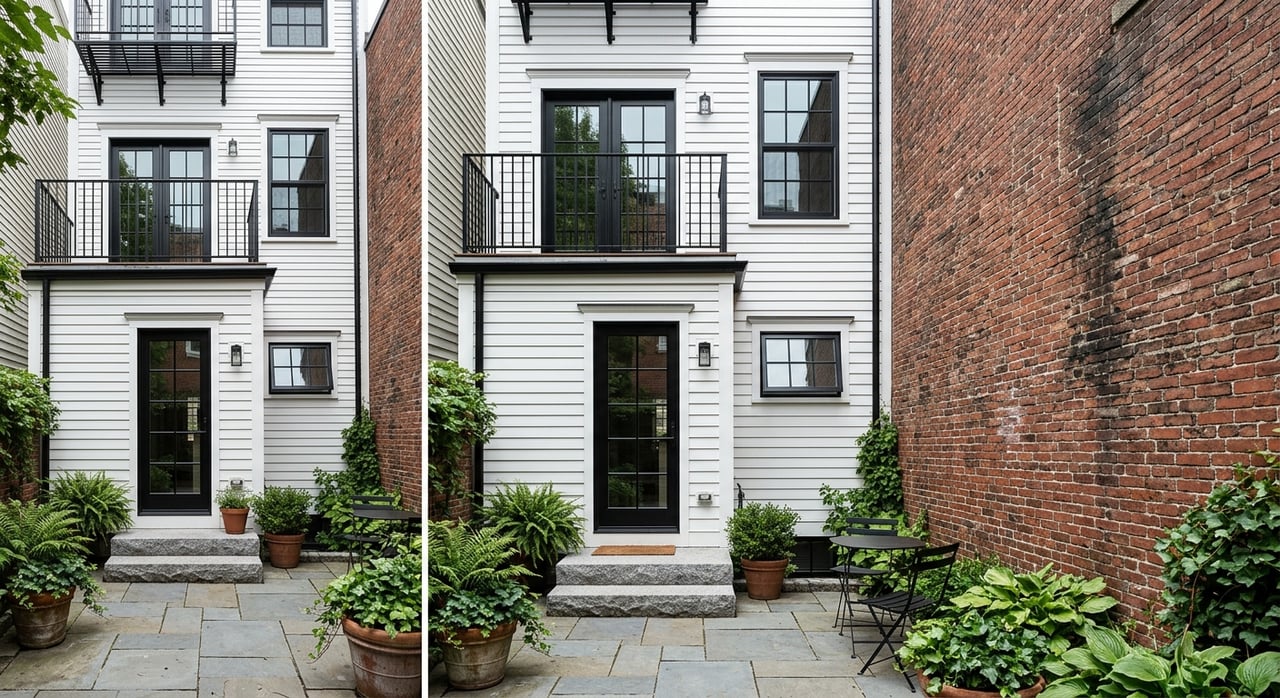
Looking for a weekend that helps you picture real life in Somerville, not just a quick visit? This city packs a lot into just over four square miles, with more than 20 squares that each bring a different rhythm, housing mix, and street feel. If you are trying to decide whether Somerville fits your lifestyle, a simple route from Assembly Row to Davis Square can tell you a lot. Let’s dive in.
Why this Somerville route works
Somerville is a city where transit, mixed-use streets, and distinct squares shape daily life. The city notes that residents move through a network of 14 bus routes plus Red, Orange, and Green Line service, which makes it easier to experience several areas without treating your car like a requirement.
That is part of what makes an Assembly-to-Davis weekend so useful for future locals. You get a look at newer development, small-business energy, and a more established square in one easy loop. It is a practical way to test how you might actually spend your time if you lived here.
Start at Assembly Row
Assembly Row gives you a clear introduction to one side of modern Somerville living. The district is built around a mix of retail, food and drink, entertainment, services, and amenities, so you can get a fast read on what everyday convenience looks like in a newer mixed-use setting.
It also reads less like a stand-alone shopping stop and more like a neighborhood gathering place. Current programming highlighted by Assembly Row includes seasonal Friday farmers markets and live music, which adds a local rhythm beyond errands or dining plans.
What you notice first
If you begin your weekend here, you will likely notice the convenience factor right away. The setup supports the kind of day where coffee, lunch, browsing, and evening plans can all happen within the same few blocks.
For many buyers, that is the appeal of newer urban housing in Somerville. You are not just evaluating a unit. You are evaluating how much friction gets removed from your day when amenities sit close to home.
Housing feel near Assembly
From a housing perspective, Assembly Row helps illustrate Somerville’s newer stock. The city’s inclusionary housing materials identify Alta Revolution in Assembly Row as a 329-unit rental apartment complex, and the adopted Assembly Square Neighborhood Plan envisions thousands of additional residential units in the broader district.
That points to a living pattern many buyers already expect in urban Greater Boston: newer apartments, transit access, and homes woven into active ground-floor commercial streets. If you want a home base with a polished, move-through-your-day feel, this area makes that vision easy to picture.
Add a market stop to understand daily life
A weekend in Somerville should include at least one market-style stop, because markets are part of the city’s broader street life. The city says all Somerville farmers markets accept HIP, the mobile farmers market brings produce to several neighborhood stops, and the Winter Farmers Market operates weekly at Arts at the Armory.
That matters because it shows Somerville life is not defined by one district alone. Even if you start in Assembly, you quickly see that daily routines here often include neighborhood-scale shopping, produce runs, and public gathering spaces.
Wander through Union Square and Bow Market
From there, Union Square gives you a different kind of energy. Bow Market stands out as an award-winning shopping and dining destination with more than 30 small businesses arranged around a courtyard, making it an easy place to slow down and see how local retail shapes the area.
This is where Somerville can feel especially layered. You can stop for coffee, browse independent shops, stay for lunch, and linger into the evening without forcing an itinerary. The setting supports the kind of spontaneous, low-lift day that helps people feel connected to a neighborhood.
Why Bow Market matters for future buyers
For future locals, Bow Market offers more than a nice stop. It helps you understand how Somerville blends density with personality.
In a city known for mixed-use development, places like this make it easier to imagine living close to shops, food, and public activity. If you are drawn to condo living or a loft-like urban setup, Union Square gives you a strong lifestyle reference point, even if every building type varies block by block.
End in Davis Square
If Assembly Row shows you one version of present-day Somerville, Davis Square rounds out the picture with a more established transit-centered feel. The city describes Davis Square as anchored by Somerville Theatre, and that landmark gives the area a strong sense of place.
Somerville Theatre, located at 55 Davis Square in the Hobbs Building, opened in 1914 and continues to operate as both a movie and live-entertainment venue. Its long history and active programming make it a natural final stop for a weekend that is meant to feel local, not touristy.
Why Davis feels so connected
Davis Square is also one of the city’s major transit nodes. According to the city’s mobility data, the Davis Square Red Line station handled roughly 12,000 daily weekday boardings pre-pandemic, compared with roughly 4,000 at Assembly Square’s Orange Line station.
That contrast helps explain why Davis often feels so woven into day-to-day movement. If you are testing a car-light routine, this is the kind of place where transit access is not just a feature on paper. It is part of how the square functions.
Housing feel near Davis
Davis Square also helps illustrate Somerville’s older, more established housing stock. The city’s comprehensive planning materials describe a broad housing mix that includes apartment buildings, triple-deckers, single-family homes, and condominiums.
Near Davis, that often translates into the kind of housing many design-minded buyers look for: older homes with character, updated multi-family properties, and condos created within existing buildings. The city has even highlighted a renovated two-family house a short distance from Davis Square as a net-zero model, which shows how older Somerville housing can be thoughtfully modernized.
What this weekend tells you about Somerville homes
One of the best things about this route is that it reveals how varied Somerville housing really is. Over one weekend, you can move from newer mixed-use living near Assembly to small-business-centered streets in Union Square to more established housing near Davis.
That matters if you are trying to narrow your search. Somerville is dense, with an estimated 82,149 residents in 2024 across 4.12 square miles, and the city’s housing choices reflect that urban form. The 2020-2024 ACS estimates also show owner-occupied housing at 34.2 percent of occupied units, median gross rent at $2,517, and the median value of owner-occupied housing at $911,300.
Those numbers help explain why condos, apartments, and smaller multi-family homes play such a visible role here. In practical terms, your best fit may come down less to the city as a whole and more to which square matches your routine, design preferences, and comfort with density.
How to read the lifestyle cues
If you are touring Somerville with a future move in mind, pay attention to more than the headline destinations. Watch how people move through the day, where they gather, and how residential buildings connect to the street.
A few things to notice as you go:
- How easy it feels to run errands on foot
- Whether you prefer newer mixed-use blocks or older residential streets
- How often transit seems to shape the area’s rhythm
- Whether you are drawn to all-in-one convenience or a more layered neighborhood feel
- What kind of housing stock feels most natural to you
These details often tell you more than a listing sheet can. They help you understand not just where you could live, but how you would live.
A smart weekend for buyers and sellers
For buyers, this route offers a practical way to compare lifestyle patterns before you start focusing too narrowly on one block or building. You can begin to see whether your version of Somerville includes newer construction, renovated older housing, or a balance of both.
For sellers, the same route highlights why presentation matters so much in this market. In a city where housing ranges from apartments and condos to triple-deckers and updated two-families, the homes that stand out are often the ones that tell a clear story about how space lives today.
That is especially true in design-conscious areas like Somerville, where buyers often respond to light, layout, finishes, and the feeling of a home as much as its square footage. When a property is thoughtfully prepared and marketed, it becomes easier for buyers to connect the home to the lifestyle they want.
If you are thinking about buying, selling, or preparing a home in Somerville, Covelle & Company can help you evaluate the right strategy with a design-driven, white-glove approach.
FAQs
What does a weekend from Assembly Row to Davis Square show you about Somerville?
- It shows you several sides of Somerville living in one trip, including newer mixed-use development, small-business-focused public spaces, strong transit access, and more established housing near Davis Square.
What is the housing mix like in Somerville, Massachusetts?
- The city describes Somerville’s housing stock as ranging from apartment buildings and triple-deckers to single-family homes and condominiums, reflecting a dense urban market with varied home types.
Why is Davis Square important for future Somerville residents?
- Davis Square is a major transit node on the Red Line, is anchored by Somerville Theatre, and offers a strong example of an established Somerville square with active daily foot traffic and older housing stock nearby.
What makes Assembly Row appealing for homebuyers in Somerville?
- Assembly Row offers a newer mixed-use environment with retail, dining, entertainment, services, and transit access, which can appeal to buyers who want convenience and a more modern live-near-everything setup.
Why should buyers visit Union Square and Bow Market in Somerville?
- Bow Market and Union Square help you experience Somerville’s small-business culture, courtyard-style gathering spaces, and neighborhood energy, which can be useful if you want to understand how a district feels beyond the listings.
Is Somerville a transit-friendly city for people considering a move?
- Yes. The city lists 14 bus routes along with Red, Orange, and Green Line service, and major nodes like Davis Square show how transit can shape daily routines for residents.