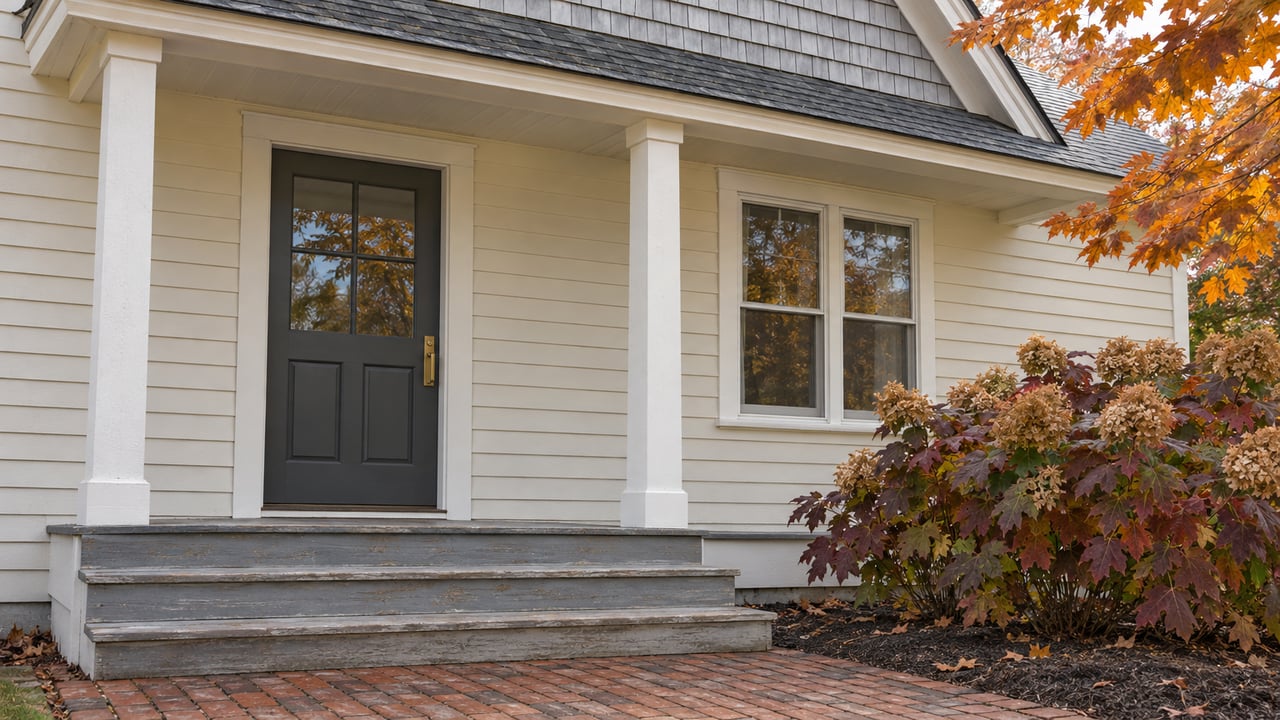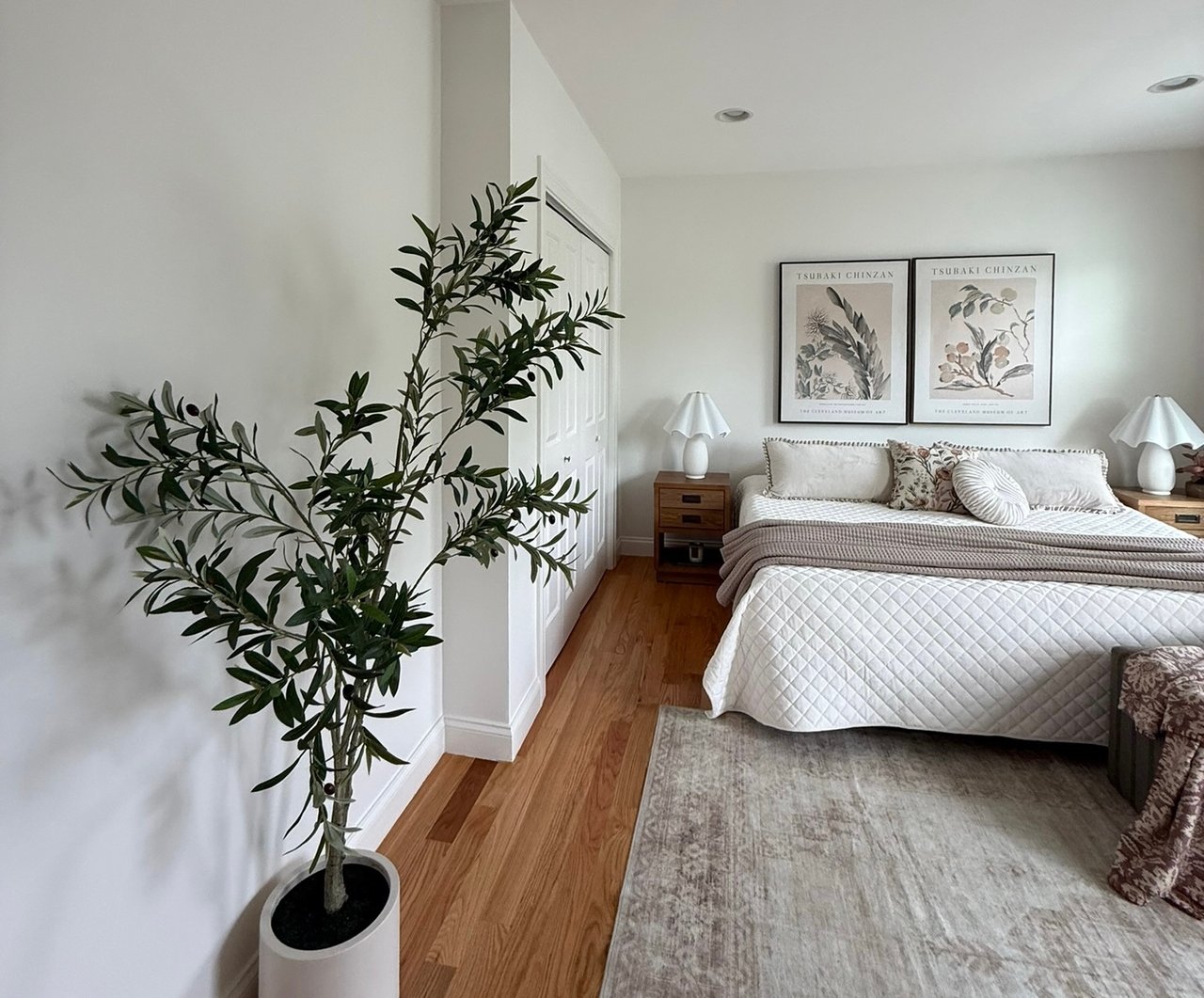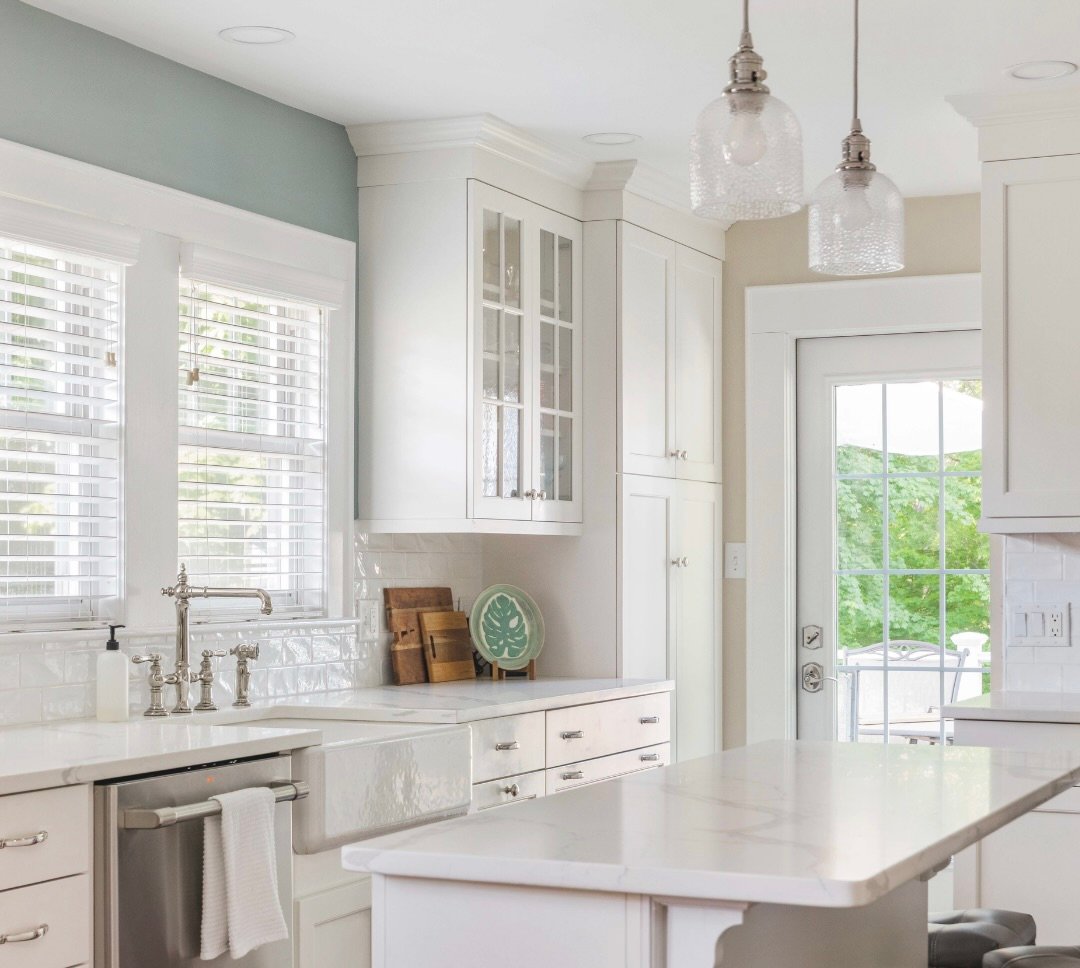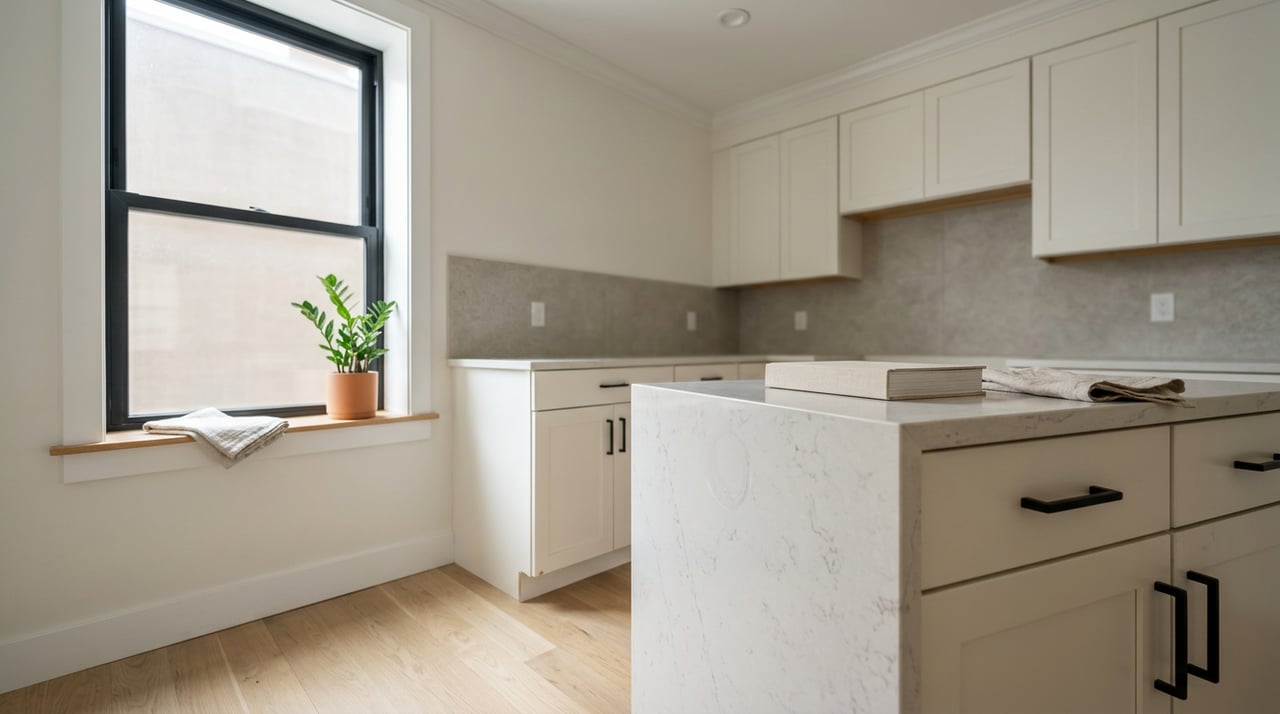
Walk two new-construction condos this month, one near Ball Square and one a few blocks from the Davis Square T stop, and you will likely see the same kitchen twice. Shaker cabinets. Quartz counters. A Bertazzoni or KitchenAid range. In-unit laundry and a private deck. The finish package that keeps showing up in Somerville listings this year has become close to standard issue across the city's squares. And yet the Davis Square unit will list for something in the neighborhood of $200,000 more than its twin near the Green Line.
That gap is not about granite. It is about how long each neighborhood has had reliable transit, and what that timeline has already done to price.
The Forty-Year Head Start
Davis Square's Red Line stop has anchored the neighborhood for more than four decades, long enough that whatever premium a subway stop adds to home values has already worked its way fully into the number. As of July 2026, the median home price in Davis Square sat at $1,199,900, with the average sale closer to $1.28 million. That price reflects not just a T stop but everything that grew up around it over forty years: the 1914 Somerville Theatre, a run of independent shops, live music at The Burren, and a dense cluster of restaurants that includes Boston Burger Company and Mortadella Head. None of that appeared overnight, and none of it is still being discovered by buyers. It is priced.
Compare that to Union Square, Ball Square, and Magoun Square, which only started seeing trains in 2022. The Union Square Branch of the Green Line Extension opened on March 21, 2022, and the Medford Branch, which put stops in East Somerville, Gilman Square, Magoun Square, and Ball Square, followed on December 12, 2022. Three to four years is not nothing, but it is a fraction of Davis Square's track record. A market takes longer than four years to fully digest a new transit line, especially one that reshapes an entire corridor rather than adding a single stop.
What Four Years Of Trains Has Actually Done
The clearest evidence that this repricing is still in motion sits in Union Square, where the Somerville Redevelopment Authority gave an update in March 2026 on the roughly $2 billion, 15 to 20 acre USQ project. The Somerville Times reported that the initial phase, which includes the Green Line station itself, major infrastructure work on Somerville Avenue, and the conversion of a former scrapyard into commercial space, housing, and open space, is now complete. Greg Karczewski, president of Union Square Station Associates, told the meeting the neighborhood is only "four years into the use of the Green Line Station, and it has had a very significant impact."
That impact shows up in numbers the city can already count: a one-time $36 million benefit tied to the project and roughly $4 million a year in new tax revenue. Those figures describe a district still absorbing a shock, not one that has settled into a new equilibrium. The tallest physical evidence is Prospect Union Square, a 25-story tower at 20-50 Prospect Street designed by Höweler + Yoon and built by US2, a joint venture between Magellan Development, RAS Development LLC, Cypress Equity Investments, and Affinius Capital. The building holds 450 units, including 90 designated affordable, and gave the neighborhood its first residential views that clear the rooflines of Somerville's triple-deckers. A building like that does not just add supply. It resets what "typical" looks like for every comparable sale that follows it.
The Ten-Year Bet That Waited On The Train
The most useful data point for understanding this repricing might be the one development that arrived a decade too early. Windsor at Maxwell's Green, a high-end apartment and townhouse complex built on a former factory site near what would become the Magoun Square stop, opened in 2012, a full ten years before the Green Line Extension carried its first passenger. The developers were betting on a transit line that had been promised since 1990 and delayed for decades. For most of that decade, the bet just sat there. Prices around Magoun Square did not reprice meaningfully until the trains actually started running.
That sequence matters for anyone comparing squares today. Transit access does not move home prices when it is announced, funded, or even under construction. It moves prices when residents can walk to a platform and get on a train. Somerville had that moment for Union Square in March 2022 and for Ball and Magoun Square in December 2022. Three to four years later, the market is still working through what that access is worth.
Reading The Three Squares Side By Side
| Square | Transit history | Recent price signal | Neighborhood character |
|---|---|---|---|
| Davis Square | Red Line since the 1980s | Median home price $1,199,900 (as of July 2026) | Somerville Theatre, The Burren, Boston Burger Company, red-brick pedestrian core |
| Magoun Square | Green Line (Medford Branch) since December 2022 | Trailing twelve-month median sale price $967,500 (as of mid-2026) | Olde Magoun's Saloon, Daddy Jones Bar, Trum Field |
| Union Square | Green Line (Union Square Branch) since March 2022 | Anchor project valued near $2 billion, initial phase complete (March 2026 update) | Bow Market, Prospect Union Square tower, active streetscape redesign |
For context on where those numbers sit citywide, Somerville's condo segment posted a median sold price of $796,000 as of June 2026, while single-family homes in the same window came in at $1,245,000. Davis Square runs above the citywide condo figure but below the single-family figure. Magoun Square sits closer to the citywide condo median despite having comparable new-construction inventory to Davis Square, which is the gap the transit timeline explains.
The Tax Bill Is Where The Repricing Keeps Showing Up
There is a second place this dynamic surfaces, and it rarely comes up until a buyer opens their first tax bill. Somerville's most recently certified residential tax rate came in at $10.98 per $1,000 of assessed value for fiscal year 2026. That rate applies citywide, but the assessed values behind it do not move at the same pace everywhere. In an area with an established sales history like Davis Square, each year's assessment has decades of comparable sales to draw on, so year over year movement tends to be gradual. In a corridor where a handful of new sales at Prospect Union Square or a similar building just reset what a two-bedroom condo is worth, the next assessment cycle has fewer comparables to smooth against, and the swing can be sharper.
This is not a reason to avoid the Green Line corridor. It is a reason to ask a specific question before writing an offer: how many comparable sales exist near this address from the past twelve months, and how many of those sales happened in a building that opened after the trains started running. An established square answers that question with decades of data. A square four years into new transit access answers it with a much shorter list, and the assessor's office will eventually need to catch up to whatever that list says. Buyers weighing a purchase near the corridor should confirm current assessed values directly with the City of Somerville's assessor before finalizing a budget, since assessments shift on their own schedule and this is not a substitute for that filing.
What This Means If You're Comparing Squares Right Now
None of this argues that one square is better than another. It argues that the two kinds of value on offer are different, and worth naming honestly.
Davis Square sells certainty. Its price already reflects forty years of transit, retail, and cultural draw, and that price is unlikely to move quickly in either direction because there is nothing left to discover about it. If you are buying for stability and you can afford the premium, that premium is buying you a finished story.
Union Square, Ball Square, and Magoun Square sell a story still being written. The finishes match Davis Square's inventory almost feature for feature, the trains have been running for three to four years, and the price gap between the two areas has not yet closed. Whether it closes further, holds where it is, or reverses depends on how the next few years of sales data accumulate in a corridor that is still young by transit-market standards.
At Covelle & Company, we spend as much time reading assessment histories and station timelines as we do styling a listing for photography, because the two are connected. A home's presentation gets it noticed. Understanding where its neighborhood sits in a repricing cycle is what tells you whether today's number is the ceiling or the floor. If you are comparing Somerville's squares and want a clear read on where a specific address sits in that timeline, schedule a consultation with our team and we will walk through it with you.
Frequently Asked Questions
Does a Green Line stop guarantee a Davis Square style price premium eventually? Not automatically. Davis Square's premium reflects forty years of retail and cultural development layered on top of transit, not the transit alone. The Green Line corridor stations are still early in that layering process, and how much further prices move depends on continued investment and demand, not the train schedule by itself.
Should I expect my property taxes to jump if I buy near Union Square? Possibly, though the exact number depends on your specific parcel and the certified mill rate the city sets each year. Newer sales activity in a rapidly changing corridor can pull nearby assessments up faster than in an established area like Davis Square. Confirm your parcel's assessed value and the current mill rate with the Somerville Assessor's office before you budget for future tax bills.
This article is general information, not legal, tax or financial advice. Consult a qualified professional about your situation.