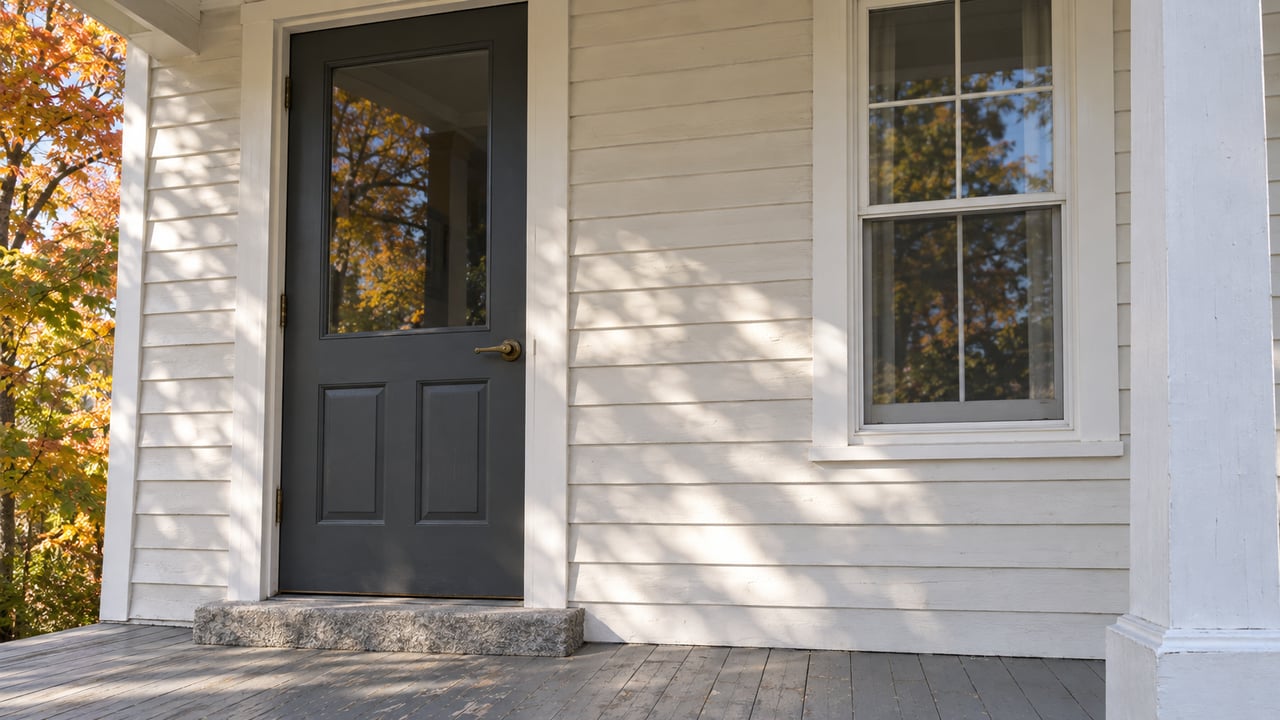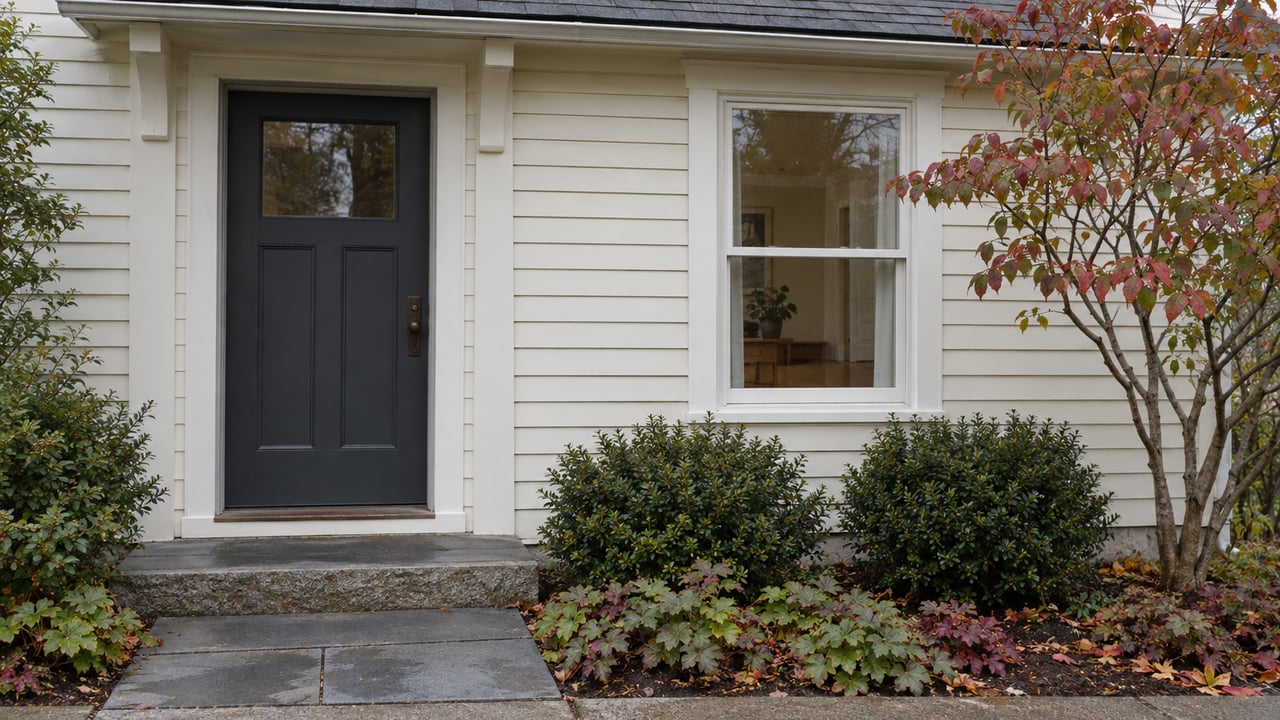
Walk across from the commuter rail platform on North Avenue and you'll see two storefronts that have spent the past year doing something most Main Street real estate never does: changing hands on a schedule, on purpose, with the town's own money behind the lease.
At 239 North Avenue, Creative Chaos Emporium has been running an arts and crafts thrift shop since late January, the kind of place where secondhand yarn, vintage ephemera, and antique frames get a second life before they hit a landfill. That run ends by the close of September. Not eventually. This month.
If you've walked past that window enough times to notice the sign changed once already, you've been watching Wakefield's Project: Pop-Up program do exactly what it was built to do.
The Rent Nobody Else on North Avenue Gets
Project: Pop-Up is not a landlord doing a favor. It's a town economic development initiative, run through Wakefield's Community and Economic Development Department in partnership with a pop-up consultancy called UpNext, using federal American Rescue Plan Act money to buy down commercial rent to a fraction of what anyone else on that block pays.
The numbers only make sense next to each other.
| Space | Size | Subsidized rent | Market rate |
|---|---|---|---|
| 243 North Avenue | 600 sq ft | $100/month | $3,000+/month |
| Pop-in space within 239 North Avenue | Shared retail | $100/month | $750+/month |
Both figures come directly from the program's own listings, and both include utilities and wifi. A brand-new business at 243 North Avenue pays about three percent of what the space would normally cost. That's not a discount. That's the town deciding it would rather have foot traffic and an occupied window than full market rent and an empty one.
What Came Through First
The first tenants at 243 North Avenue were Wicks Please, Secret Stash Sweets, and Oolie Boolie Baubles, three Wakefield-based makers who opened their doors on October 1, 2025, and stayed through the end of January. Secret Stash Sweets, founded by Suzanne Aiken, sold gourmet caramels, truffles, and chocolate-dipped treats. The other two rounded out a season built almost entirely from people already selling at Wakefield's own craft fairs and markets.
Wakefield's Planning and Community Development Director, Erin Kokinda, put it plainly when the space opened: "They are Wakefield-based companies and their products can often be found at local craft fairs and markets. The program gives these small-business owners a retail space to test a new market concept and bring their products to a new audience."
That's the entire thesis of the program in one sentence. It isn't recruiting outside retail chains to fill a gap. It's giving people who already have a following in town a place to find out if that following converts to a lease.
By February, 243 North Avenue had turned over again, this time to Cotton and Blue, a secondhand-sweatshirt reinvention project run by a maker named Linda who works in thrifting and sewing. Three tenants had already come and gone from a single storefront in under five months.
The Space Within the Space
Next door at 239 North Avenue, the program got more ambitious. Rather than rotating a single tenant through the whole storefront, the town partnered with Creative Chaos Emporium, an arts and crafts thrift shop founded in summer 2025 by Wakefield residents Sarah Lynne Reul and Stephanie Hannus along with Stoneham resident Janet Cohen. Creative Chaos Emporium became the anchor, opening to the public on January 24, 2026, and it in turn hosted its own rotating "pop-in" brand inside its walls from February through April.
That's two layers of experiment stacked in one address: a subsidized anchor tenant, and inside that anchor, a subsidized sub-lease for someone even earlier in their business. Wakefield built a nesting doll out of a vacant storefront.
Now that anchor tenancy is closing out. The listing is explicit that the Creative Chaos Emporium run at 239 North Avenue was always bounded, running from January 24 through the end of September 2026. Nobody's announced what fills that window next, and the program's own site currently points prospective brands toward a waitlist rather than a confirmed replacement.
The Funding Behind the Program Runs Through December
The reason this program can't just keep running forever traces back to money that has an expiration date. Wakefield's Town Council allocated $1 million in ARPA funds for economic development initiatives, and Project: Pop-Up is one piece of that, alongside a sign and facade renovation program and a small business education series. According to town council notes from March 2026, roughly half of that $1 million had been spent by early March, with the rest required to go out the door by the federal deadline of December 31, 2026.
That's a nine-month runway from the March update to the federal deadline. Whatever comes next for 239 North Avenue, and whoever is currently cycling through 243, will be decided inside that window.
The Rest of the Block Is Turning Over Too
North Avenue isn't the only place downtown that just closed out a chapter. Wakefield Porchfest wrapped its third year on August 29, drawing more than 100 musical acts to roughly 60 homes and businesses across town, organized by Next Stage Wakefield, a nonprofit born directly out of how well the first two years went. The event runs on a grant from the Wakefield Arts Council, itself backed by the Mass Cultural Council, and it landed in the same year Wakefield was named a top community for music education by the NAMM Foundation for the fifteenth time.
The Saturday Farmers Market on the Town Common, which runs May through October, is heading into its final weeks. Concerts on the Common, the free Sunday evening series at the bandstand that runs July through September, is doing the same. Both are the kind of thing that quietly structures a Wakefield weekend without anyone treating them as an event to plan around, right up until they're gone for the year.
Elsewhere on Water Street, Life Love Cheese has opened as a new addition to the food scene, offering grazing boards, sandwiches, and wine, the kind of small independent opening that happens without any ARPA subsidy behind it. It's a useful contrast to North Avenue. One corridor is being deliberately engineered for turnover with public money. A few blocks over, ordinary commercial rent is still absorbing new businesses on its own.
What comes after the market and the concerts wind down is already on the calendar. Wakefield's annual holiday lighting ceremony returns to the Upper Common in early December, with hot chocolate, choir singing, and the kind of small-town pageantry that closes out the year the same way it has for a while now.
What This Actually Tells You
None of this is really about whether Secret Stash Sweets or Cotton and Blue or Creative Chaos Emporium survives past their subsidized months. It's about what Wakefield is willing to spend federal money testing before that money runs out: whether a Main Street-adjacent storefront, at near-zero rent, is enough to turn a craft-fair vendor into a business with a lease. The answer to that question isn't in yet. The window at 239 North Avenue changes again this month, and whatever fills it next is the next data point.
If you've been walking past that corner without registering any of this, you're not missing a real estate story. You're missing a live experiment the town is running on its own downtown, one storefront at a time, on a clock that runs out in about three months.
Covelle & Co. pays close attention to which corridors in Greater Boston are actively reinventing themselves, because a town willing to spend real money testing new small businesses on Main Street is a town whose neighborhoods are worth watching closely. If you're curious what that kind of civic momentum means for a specific address in Wakefield, schedule a consultation with our team.