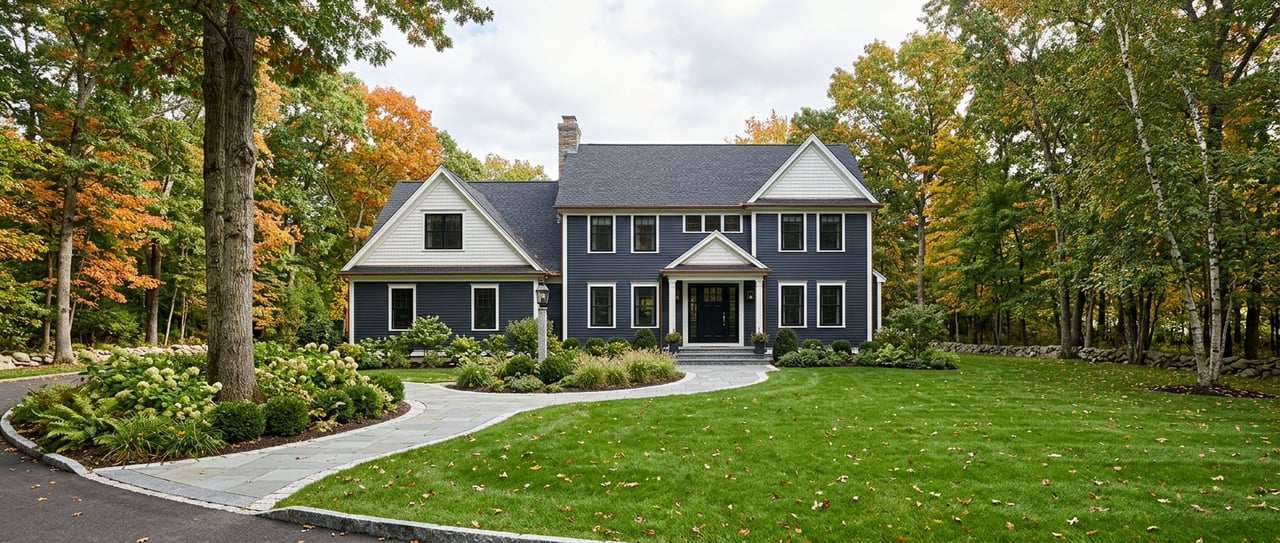
If you are feeling cramped where you are now, North Reading may be the kind of move-up market that changes your daily routine in all the right ways. Many buyers look north for more yard space, more privacy, and a home that can handle school schedules, work-from-home needs, and weekend life without feeling tight. North Reading offers that tradeoff with a clear suburban profile, and understanding how the town is laid out can help you make a smarter move. Let’s dive in.
Why North Reading Appeals
North Reading is about 16 miles north of Boston and had a population of 15,554 in the 2020 Census across 13.14 square miles of land, according to the U.S. Census Bureau. It also has a high owner-occupancy rate, which fits the feel many move-up buyers want when they are looking for longer-term space.
For many households, the appeal is straightforward. You are often trading a denser setting for a larger lot, more separation from neighbors, and a home that supports everyday logistics more comfortably. In North Reading, that value often comes from the combination of land, layout, and location rather than square footage alone.
What Space Looks Like Here
One of the clearest ways to understand North Reading is through its zoning. The town’s residential districts require minimum lot areas of 40,000 square feet in RA and RR, 20,000 square feet in RB, and 120,000 square feet in RD, based on the town zoning table. The town’s planning documents also note that about 88% of the community is residential and that large-lot zoning across much of town makes new housing harder to build.
That matters because it shapes what you actually experience on the ground. In many parts of town, you are more likely to find larger residential lots and a quieter, more spread-out setting than in closer-in suburbs. If your goal is privacy, outdoor space, or room for future updates, North Reading often delivers that in a way that feels consistent across much of the community.
Older Homes, Real Potential
North Reading’s housing stock is not brand new, and that is part of the opportunity. Data from the NCES ACS dashboard show that 46.3% of housing structures were built before 1970, and 81.9% of housing units are houses rather than apartments.
For you as a buyer, that usually means looking beyond headline size and paying closer attention to how a home lives. An older Colonial, Cape, Ranch, or Raised Ranch may offer strong bones, generous lots, and the ability to improve flow without rebuilding from scratch. In a move-up market like North Reading, that can be a meaningful advantage if you know what to prioritize.
Focus on Function First
When you tour homes here, it helps to look for features that improve daily life right away. Think about first-floor usability, kitchen function, mudroom potential, work-from-home space, and storage. Those practical elements often matter more than cosmetic updates because they shape how the home supports your routine.
The same principle applies if you are planning to make changes after closing. Thoughtful improvements to circulation, kitchen layout, or the connection between indoor and outdoor space can make an older home feel dramatically more current. In North Reading, usable space tends to resonate more than raw square footage.
Lot Size vs Convenience
Not every part of North Reading feels exactly the same. Based on the town’s planning and zoning materials, the smaller-lot RB areas are generally closer to the town core and Martin’s Pond, while much of the rest of town is defined by larger-lot residential patterns, as reflected in the state-hosted planning document.
That creates one of the most important move-up decisions you will make. Do you want the larger-lot feel that much of town provides, or would you prefer somewhat easier access to the center of town and daily errands? Neither is better across the board. It depends on how you balance privacy, maintenance, drive times, and convenience.
Schools and Daily Logistics
For many buyers moving up, school logistics are part of the search from day one. North Reading Public Schools includes three elementary schools, one middle school, and one high school, according to the district’s district-at-a-glance page. The district also notes that North Reading students are eligible for options through the Northeast Metropolitan Regional Vocational School District.
The district’s elementary schools are E. Ethel Little, J. Turner Hood, and L.D. Batchelder. The middle school and high school share a campus at 189 Park Street, and the district states that the current high school opened in 2014, followed by the renovated middle school in 2015.
Why Location Still Matters
Even in a town with a straightforward school structure, home location can affect your routine. The district states in its bus pass regulations that K-6 students living two miles or more from school are entitled to bus service under state law, while students in grades 7-12 are not guaranteed busing.
That means your address can influence how busy your mornings feel, especially if you have younger children or are trying to coordinate multiple schedules. When you compare homes, it is smart to weigh not only price and layout, but also how the location may affect drop-offs, pickups, and after-school movement.
Commuting in North Reading
North Reading is best understood as a driving town. The town’s MBTA Communities page states that North Reading is an adjacent community with no MBTA service inside town, although it borders communities that do have commuter rail access. The town also notes major road access via Routes 28 and 62, indirect access to I-95 through Wilmington exits 39 and 40, and commuter rail service to North Station from Reading Station.
If your ideal lifestyle depends on walking to rail service, North Reading may not be the best fit. If, however, you are comfortable with driving and you place a premium on yard space, privacy, and a more suburban rhythm, the town’s layout may feel like a very reasonable trade.
Septic Matters More Than You Think
One practical point deserves extra attention when you are buying in North Reading. The town’s New Residents page says there is no municipal wastewater collection or treatment system in town and that virtually all properties use on-site treatment and subsurface disposal systems.
In plain terms, septic is part of the ownership picture here. If you are considering a move-up purchase with renovation plans, septic condition, inspection results, and site constraints should be part of your early due diligence. This is especially important if you hope to expand living space or make major changes over time.
Understanding the Market
North Reading remains competitive. According to Redfin market data cited in the research report, the town had a March 2026 median sale price of $749,000, and 54.5% of homes sold above list price during that period.
The exact pricing snapshot can vary by source and methodology, but the larger takeaway is consistent. Well-presented homes can attract strong demand, and buyers should be prepared for competition on the right properties. In this kind of market, the details that create lifestyle value often carry real weight.
What Adds Value in This Market
In North Reading, value is often tied to a few specific themes:
- Larger lots and outdoor usability
- Privacy and separation from nearby homes
- Functional first-floor layouts
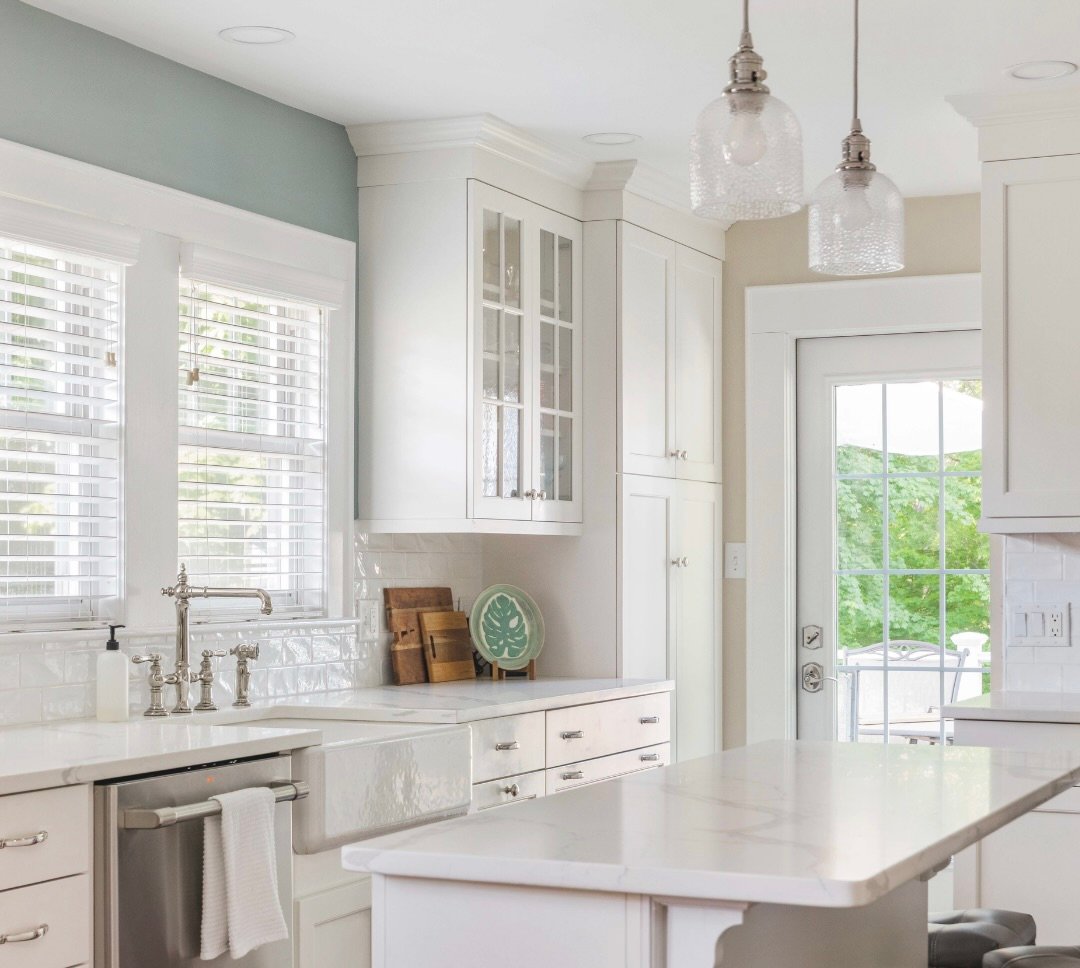
- Updated kitchens and better flow
- Space for work, storage, and changing household needs
- A location that supports your daily commute and school routine
That is one reason design strategy matters so much in this market. A home does not always need to be brand new to feel compelling. Sometimes the biggest shift comes from better layout decisions, stronger presentation, and updates that help buyers immediately understand how the home supports real life.
How to Buy Smart in North Reading
If you are planning a move-up purchase here, keep your search grounded in the factors that matter most long term:
- Start with your non-negotiables. Decide how much lot space, privacy, and interior flexibility you actually need.
- Study the location carefully. Compare larger-lot settings with areas that may offer somewhat easier access to the town center.
- Look past finishes. Older homes may offer excellent upside if the layout and site work in your favor.
- Review school transportation logistics. Your address may affect how daily routines work.
- Treat septic as core due diligence. If you are planning renovations, ask early questions.
- Move quickly on the right fit. Competitive conditions can reward buyers who are clear and prepared.
Why Design Insight Helps
North Reading is a strong market for buyers who can recognize potential. Because so much of the housing stock is older, the most appealing homes are not always the newest ones. They are often the homes with the right proportions, lot, and layout, plus a clear path to updates that improve the way the space functions.
That is where a design-aware real estate approach can make a real difference. If you can see how a kitchen could open up, where a mudroom might fit, or how outdoor space could better connect to the house, you can make more confident decisions and avoid overvaluing surface-level finishes.
If you are thinking about moving up to North Reading, Covelle & Company can help you evaluate homes through both a market and design lens, so you can find the right fit and understand the value behind it.
FAQs
What makes North Reading attractive for move-up buyers?
- North Reading appeals to many move-up buyers because it offers larger-lot residential patterns, a high owner-occupancy rate, mostly house-style housing, and a suburban setting about 16 miles north of Boston.
What should buyers know about lot sizes in North Reading?
- North Reading zoning includes large minimum lot sizes in many residential districts, with 40,000-square-foot minimums in RA and RR, 20,000 square feet in RB, and 120,000 square feet in RD.
What should buyers know about schools in North Reading?
- North Reading Public Schools includes three elementary schools, one middle school, and one high school, and some students also have access to Northeast Metropolitan Regional Vocational School District options.
How does school transportation work in North Reading?
- The district states that K-6 students living two miles or more from school are entitled to bus service under state law, while students in grades 7-12 are not guaranteed busing.
What is the commute like from North Reading?
- North Reading has no MBTA service within town, so most residents rely on driving, with access through Routes 28 and 62 and nearby commuter rail options in surrounding communities.
Do homes in North Reading usually have septic systems?
- Yes. The town states that there is no municipal wastewater collection or treatment system in North Reading, and virtually all properties use on-site septic systems.