Picture your morning routine as a loop around calm water, coffee in hand and skyline-quality views in every direction. If living by a lake and staying connected to Greater Boston are both on your wish list, Lake Quannapowitt in Wakefield deserves a close look. You’ll find a tight cluster of neighborhoods with different vibes, a defined recreation loop, and easy commuter options that make weekday life smooth. In this guide, you’ll learn how each near-lake neighborhood lives, what homes look like, commute routes, market signals, and what to check before you buy. Let’s dive in.
Why Lake Quannapowitt draws buyers
Lake Quannapowitt anchors Wakefield with about 247 acres of water and public shoreline that supports walking, running, and seasonal boating. The loop people love is roughly 3.1 to 3.6 miles depending on your exact route, which makes daily movement feel natural and routine. Wakefield sits about 12.5 miles north northwest of downtown Boston, so you can balance lake life with city access. Population and housing indicators point to a stable, owner-occupied community with an active local economy and commuter base.
- The lake and town context are outlined on the Wakefield page, a helpful primer on location and history. Learn more about Wakefield’s setting and lake.
- The popular shoreline loop is described by local runners and trail guides. See the Lake Quannapowitt trail overview.
Neighborhoods to know around the lake
Lakeside
Lakeside lines the eastern shore, placing you closest to the water with parks and playgrounds right along the edge. Streets are residential and compact, and you’ll see a mix of Colonial, Cape, bungalow, and ranch homes with some nearby condo and townhome options. Lake adjacency tends to tighten competition and lift per square foot pricing. Many recent ranges span from mid 400s for smaller attached homes to well over 1 million for larger near-lake single families, with exact values changing quickly by lot, view, and updates.
Wakefield Center
Directly south of the lake, Wakefield Center puts cafés, restaurants, shops, and the town common within a short walk of the shoreline. If you want village-style convenience plus quick access to the loop, this is a strong fit. Events at the bandstand and seasonal markets add weekend structure, and the commuter rail station sits just beyond the common for easy city trips. For a feel of the area’s walkability and station context, review this station overview.
Greenwood
Greenwood anchors the southern end of town with its own main street cluster and a stop on the Haverhill Line, which many commuters use to reach North Station. You can park and ride or walk from nearby streets, and bus connections link to the Orange Line for alternate routes. Buyers who want rail access while staying close to lake recreation often place Greenwood high on the list.
West Side
West Side includes older and often larger historic homes on tree-lined streets, with easy access to both the lake and central Wakefield. Architecture leans traditional New England, and lots may feel a touch wider than near-lake cores. If you value period details and proximity to amenities, this micro area is worth exploring.
Woodville
Woodville sits more center east and is primarily residential. The location keeps you near the lake, commuter corridors, and everyday shopping without the same through-traffic you find near the common. Expect a mix of classic single-family styles and post-war splits.
Montrose
Montrose covers parts of Wakefield’s northeastern edge. You’ll find residential streets with quick access to Route 128, which can be attractive if you split your commute north and south. Lake access is a short drive, and housing stock reflects the broader Wakefield mix.
Home styles and price signals
What you will find
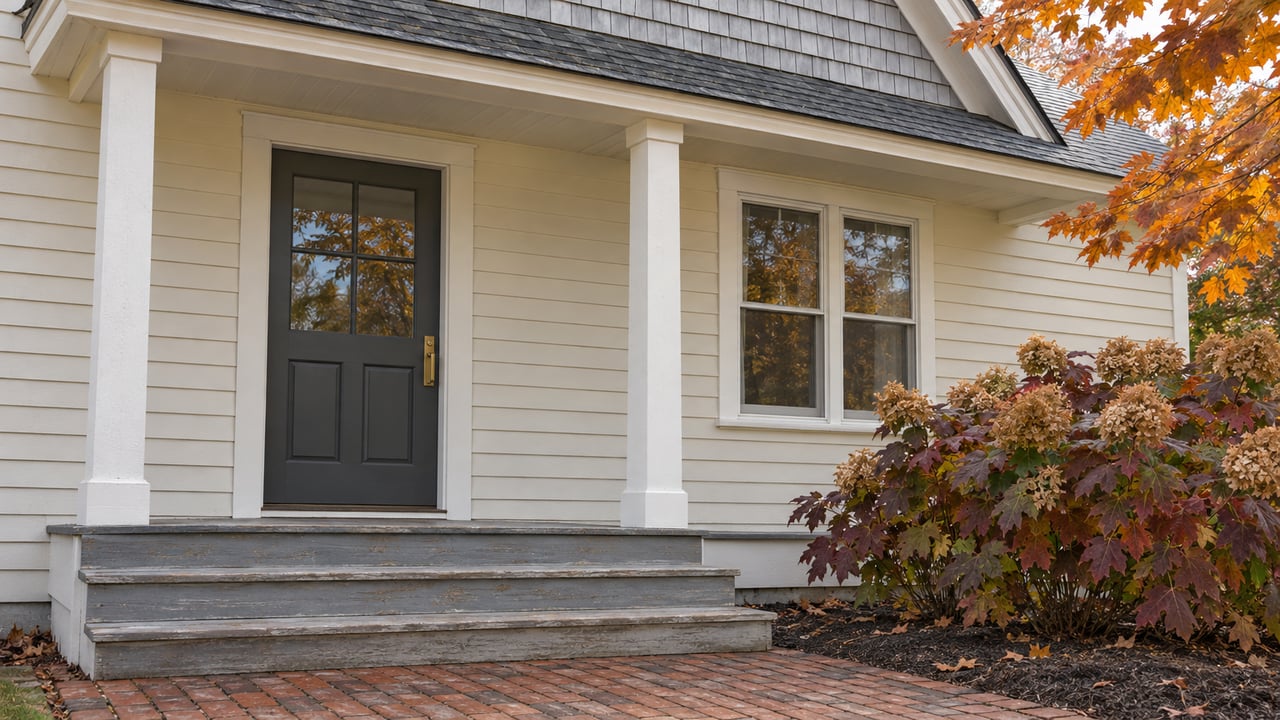
Across near-lake neighborhoods, the most common styles are Colonial Revival, Victorian-era homes in older pockets, Cape Cods, bungalows, ranches, and post-war split levels. You’ll also see newer infill condos and townhomes along the lake edge and main corridors. This blend gives you options, whether you want older character to reimagine or low-maintenance living close to the water.
Citywide market indicators suggest robust pricing relative to the region. Redfin’s Jan 2026 snapshot shows a median sale price around $870,000 in Wakefield, with lakefront and immediate near-lake homes often exceeding 1 million. Because prices change quickly by micro-location, plan to review current comps when you tour.
How lake proximity affects value
A large body of research shows that proximity to clean water and parks is often capitalized into home prices. In practical terms, being near the lake usually increases demand and can lift values, although the premium varies by view, shoreline, lot position, and whether a property has deeded rights. For a deeper dive on how amenities influence value, see this academic meta-analysis on water-adjacent premiums.
Commute and access
Commuter rail
Wakefield has two MBTA Haverhill Line stops, Wakefield station near downtown and Greenwood to the south. Typical ride times to North Station fall around 30 to 33 minutes, depending on the train. Schedules vary, especially on weekends, so check current service when planning. You can preview travel options with this summary of typical train times.
Driving and parking
I 95 and Route 128 skirt the northwest side of town, giving you quick access north and south. Driving into downtown Boston usually ranges from 30 to 45 minutes based on traffic. Both Wakefield and Greenwood stations offer parking, with approximate counts of about 117 spaces at Wakefield and about 76 at Greenwood. Confirm current availability and any fees directly with the MBTA.
Walkability near the lake
Many near-lake streets are a short walk, roughly 5 to 15 minutes, to the common, restaurants, and seasonal events. The station and downtown are also convenient from much of the shoreline. For a quick feel of how close the station sits to daily amenities, view this Wakefield station snapshot.
Lake lifestyle and events
Weekend life often centers on the loop, parks like Colonel Connelly Park and Spaulding Playground, and seasonal programming. Community boating operates on the lake with lessons and rentals during the warmer months, which is a major lifestyle perk if you enjoy time on the water. Explore current offerings through the Wakefield Community Boating program. The common and lakeside spaces host recurring events such as the Farmers Market, Festival by the Lake, summer bandstand concerts, and holiday traditions. Check the town’s calendar each season for dates and details.
Buyer practicalities near water
Buying near a public lake adds a few extra steps to your due diligence, which your agent can help you navigate.
- Deeded rights vs. public access. Some properties enjoy deeded lake rights, while many rely on excellent public access points. Confirm what you are actually buying in the deed and title docs.
- Conservation and permitting. Renovations near the shoreline may trigger Conservation Commission review and wetlands setbacks. Review the town’s Open Space and Recreation Plan for planning context, then consult town permitting guides before you design. Start with the Wakefield Open Space & Recreation Plan.
- Flood and drainage. Proximity to a lake can change flood exposure and insurance needs. Check FEMA flood maps, town floodplain layers, and the seller’s property disclosure for any history of water intrusion.
Market snapshot and strategy
Redfin’s Jan 2026 citywide snapshot shows a median sale price around $870,000 for Wakefield, with ZIP and micro-neighborhoods varying. Near-lake and lakefront properties often sell faster and at higher per square foot prices than similar non-lake homes, since inventory is limited and the amenity is unique. Prepare a winning offer by securing a strong pre-approval, watching new listings daily, and touring quickly when a lake-adjacent home fits your brief.
Keep an eye on new supply too. A multi-building lakeside rental redevelopment known as The Basin at 200 Quannapowitt Parkway is planned at roughly 440 units, including 79 affordable apartments. This will add meaningful rental inventory by the lake, potentially influencing near-term rental dynamics, seasonal park use, and downstream for-sale demand. You can review project materials here: The Basin project overview.
At a glance: quick facts
- Lake size: about 247 acres, the town’s primary waterbody and Saugus River headwaters. Town overview
- Loop distance: roughly 3.1 to 3.6 miles around the lake. Lake trail overview
- Distance to Boston: about 12.5 miles to downtown. Town overview
- Owner-occupied housing: about 70.7%; median owner value about $723,500; median household income about $134,306; mean travel time to work about 33.2 minutes. Census QuickFacts
- Commuter rail: two Haverhill Line stops, with typical 30 to 33 minute rides to North Station. Typical train times
Ready to tour?
If Lake Quannapowitt living is calling you, partner with a team that can help you see both the lifestyle and the value. With in-house design leadership and full-service brokerage, Covelle & Company helps you read the market, evaluate renovation potential, and move quickly when the right lakeside home hits. Schedule a consultation and let’s align your search with a plan.
FAQs
How long is the Lake Quannapowitt loop?
- The commonly used shoreline loop is roughly 3.1 to 3.6 miles depending on your exact route. You can preview the route on a trail overview page.
Which Wakefield neighborhoods are closest to the lake?
- Lakeside borders the eastern shore, Wakefield Center sits directly south by the common, and West Side streets near the lake offer quick access. Greenwood, Woodville, and Montrose are a short drive to the shoreline.
What are typical commute times to Boston from Wakefield?
- By MBTA commuter rail on the Haverhill Line, typical trips to North Station run about 30 to 33 minutes, depending on the train. Check current schedules and service alerts, and preview options using this summary of typical train times.
Do lakefront homes in Wakefield cost more?
- Often yes. Academic research shows proximity to clean water and parks can lift home values, and local signals suggest lake-adjacent homes command higher per square foot prices. See this meta-analysis of water amenity premiums.
What should I verify before buying near the lake?
- Confirm deeded lake rights versus nearby public access, review Conservation Commission and wetlands rules for any planned work, and check flood maps and seller disclosures for water intrusion history. Start with the town’s Open Space & Recreation Plan.
Are there new developments near Lake Quannapowitt to watch?
- Yes. The Basin at 200 Quannapowitt Parkway is a planned multi-building lakeside community with about 440 rental units, including 79 affordable apartments. Review the project overview.