Trying to choose between Back Bay and the South End? It is a smart question, because these neighboring Boston districts can feel very different once you picture your real daily routine. If you are weighing walkability, housing style, commute patterns, and budget, the right fit often comes down to how you want your home base to work for you. Here is a clear side-by-side look at Back Bay and the South End so you can narrow your search with confidence. Let’s dive in.
Back Bay vs South End at a Glance
Back Bay and the South End sit next to each other in central Boston, but they offer distinct rhythms. Back Bay borders the Charles River and sits close to Downtown and the Public Garden, while the South End is directly to its south.
In broad terms, Back Bay is more retail-dense and commercial, with a polished urban feel shaped by major corridors like Newbury Street and Boylston Street. The South End reads as more residential and park-oriented, with a strong restaurant and arts presence woven into everyday life.
Housing Style and Home Feel
Back Bay homes
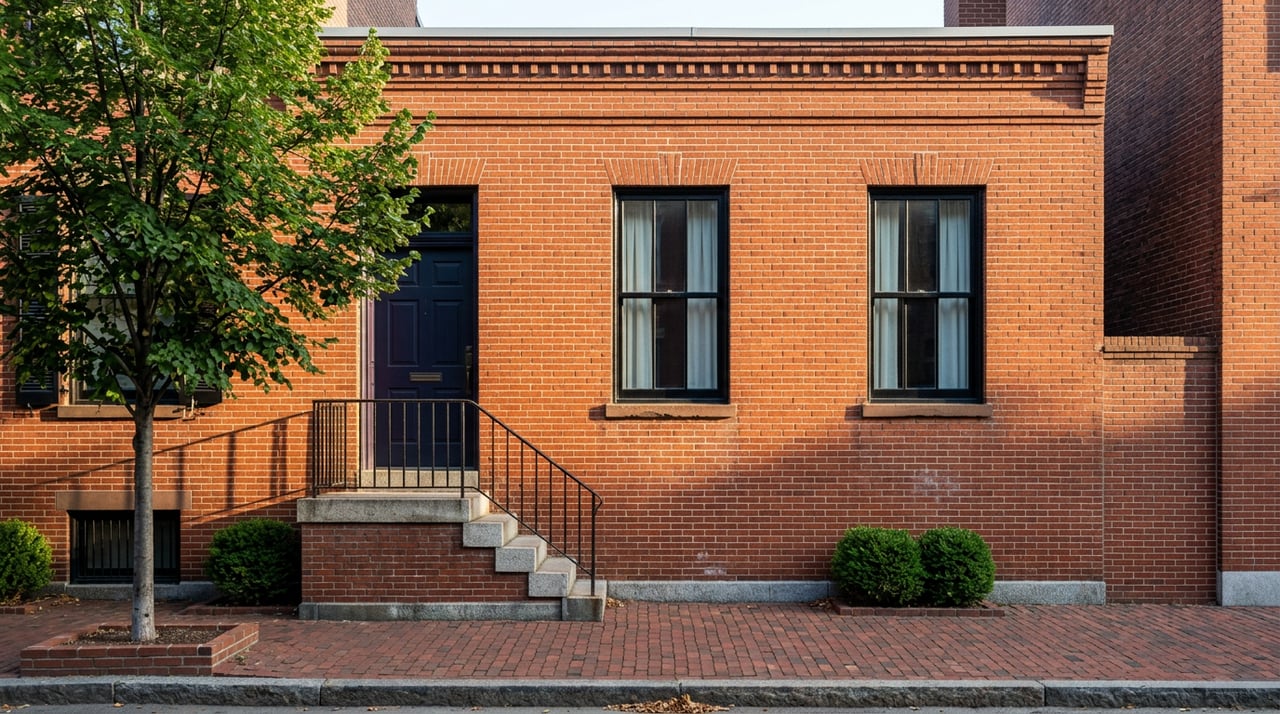
Back Bay was built on filled tidal marshes in the mid-1800s and remains a protected historic district. Its residential streets are known for Victorian row houses, brick sidewalks, and a classic Boston streetscape that feels formal and highly finished.
The neighborhood also includes large mixed-use blocks and major commercial corridors on Newbury, Boylston, St. James, and Huntington. That mix gives Back Bay a more urban-commercial character, even where the architecture stays historic and elegant.
South End homes
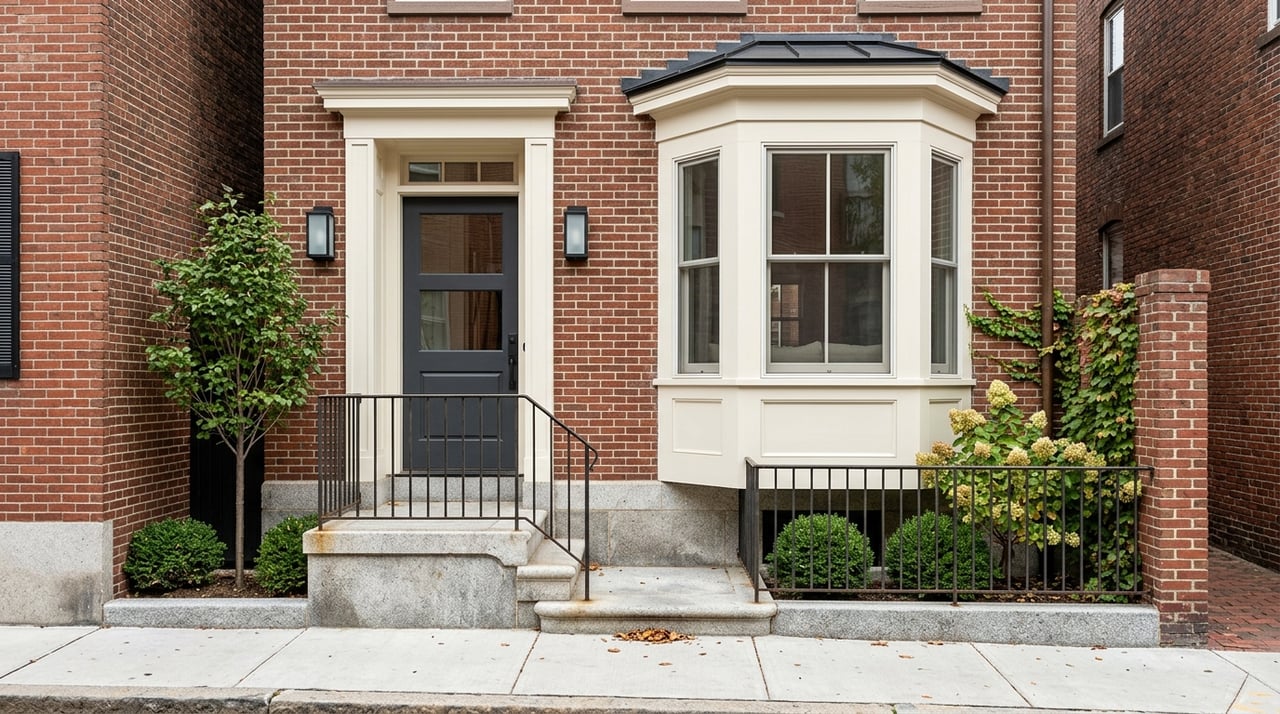
The South End was also built in the mid-1800s, on former tidal flats, and today it is Boston’s largest Victorian residential district. You will find historic brick town homes, rowhouses, public housing, and infill development across a regular street grid.
Its strongest visual identity comes from brick rowhouses and many small parks. That creates a more neighborhood-scaled feel, with architecture and open space working together in a way many buyers find especially appealing.
What buyers may notice
City of Boston 2025 data show that Back Bay has a somewhat higher share of smaller homes, with 56.3% studios or one-bedroom units. In the South End, that figure is 47.3%, while the neighborhood has a larger share of two-bedroom homes at 36.8% compared with 29.5% in Back Bay.
In practical terms, Back Bay tends to lean a bit more toward smaller condo living. The South End often offers slightly more two-bedroom inventory and a broader rowhouse feel, which can matter if you want extra flexibility in layout or long-term use.
Walkability and Daily Lifestyle
Back Bay daily rhythm
Back Bay is one of Boston’s best-known walkable districts, and the city describes it as a mixed residential and commercial area as well as a transit hub. Daily life is shaped by destinations around Newbury Street, Boylston Street, and Commonwealth Avenue.
Landmarks like Copley Square, the Prudential Center, Trinity Church, the Boston Public Library, the Commonwealth Avenue Mall, and the Charles River Esplanade are part of the neighborhood’s routine convenience. If you want polished retail access and a central, energetic setting, Back Bay checks a lot of boxes.
South End daily rhythm
The South End’s convenience pattern feels different. Main streets include Tremont, Columbus, and Mass Ave, and the area is known for nearly 30 parks, active restaurant corridors, and a strong arts presence.
Restaurants, bars, galleries, and boutiques line parts of Tremont and Washington Streets, while SoWa, the Boston Center for the Arts, and the Southwest Corridor Path add to the neighborhood’s day-to-day appeal. If your ideal Boston routine includes local dining, green space, and a more residential street feel, the South End may be a stronger match.
Commuting and Car Dependence
Both neighborhoods are compact and transit-oriented, but the numbers show slightly different patterns. In Back Bay, 34.5% of workers walked to work, 13.8% used public transportation, 18.5% drove, and 27.2% worked from home.
In the South End, 29.6% walked to work, 17.4% used public transportation, 24.1% drove, and 23.1% worked from home. These are neighborhood-wide patterns, not rules for every household, but they can help you think more clearly about how you want to move through the city.
If you want to live car-light
Back Bay appears slightly more walk-first overall. Nearly half of households, 49.4%, had no vehicle available in the 2025 Boston Planning Department data.
The South End is also very workable without a car, but the share of households with no vehicle available was lower at 37.6%. If your goal is to do most errands and commuting on foot, Back Bay may offer a slight edge.
If transit matters most
Transit access differs by emphasis. Back Bay Station serves the MBTA Readville to Back Bay to South Station commuter rail line, and the city identifies the neighborhood as a transit hub.
The South End is primarily served by the Orange Line and Silver Line, and the Southwest Corridor Path adds another practical transportation and recreation feature. If your routine depends more on transit than retail adjacency, the South End may feel especially functional.
Budget and Market Context
Price is often where these two neighborhoods separate more clearly. Redfin’s April 2026 neighborhood snapshots show a median sale price of $1,509,439 in Back Bay and $1,329,506 in the South End.
That is a difference of about $180,000. While both neighborhoods sit firmly in Boston’s upper-price tier, the South End may offer a bit more budget flexibility on the headline number.
Speed and competition
The lower median in the South End does not necessarily mean an easier search. Redfin described the South End as very competitive, with homes selling in an average of 31 days during the reported period.
That means you may need to move quickly when the right property comes up. A lower entry point can still come with strong buyer competition, especially in a neighborhood with high demand and limited character-rich inventory.
A quick price takeaway
Back Bay often commands a premium because of its central location, historic rowhouse stock, and concentrated commercial amenities. The South End often gives buyers a slightly softer price point and relatively more two-bedroom options.
If you are comparing value, it helps to look beyond the list price and ask what kind of space, street feel, and daily convenience you want in return for your budget.
Historic District Rules Matter
Both Back Bay and the South End are preservation-sensitive historic districts. That means exterior changes are more constrained than in many newer Boston neighborhoods.
For buyers who are renovation-minded, this is an important part of the decision. If you are considering facade work or other visible exterior changes, you will want to account for local review frameworks early in your planning.
Which Boston Neighborhood Fits You?
Choose Back Bay if you want
- A polished historic setting
- Strong retail convenience
- A slightly more walk-first lifestyle
- A smaller-unit condo market
- Easy access to Copley, Newbury Street, and the Charles River area
Back Bay tends to appeal to buyers who want a classic, centrally connected Boston experience with high day-to-day convenience. If your ideal home base is elegant, urban, and close to major amenities, it is often the stronger fit.
Choose the South End if you want
- A more residential street pattern
- More restaurant and arts energy
- Nearly 30 parks woven into the neighborhood
- More two-bedroom options
- A somewhat lower median price point
The South End often suits buyers who want character and activity without giving up neighborhood texture. If you value rowhouse charm, local dining, and a slightly softer entry price, it deserves a close look.
Final Thoughts on Back Bay vs South End
There is no universal winner here, only the neighborhood that supports your version of Boston living. Back Bay feels more formal, retail-rich, and walk-first, while the South End feels more residential, park-oriented, and shaped by restaurants and the arts.
If you are deciding between the two, it helps to compare not just listings but also how you want your mornings, errands, evenings, and commute to feel. And if you are looking at a home with design potential, having the right strategy can make the choice even clearer.
Whether you are searching for a move-in-ready condo, a classic rowhouse, or a property with renovation upside, Covelle & Company can help you evaluate both lifestyle fit and design potential with a clear, local perspective.
FAQs
What is the main difference between Back Bay and the South End in Boston?
- Back Bay is generally more commercial and retail-dense, while the South End is generally more residential, park-oriented, and driven by restaurants and arts activity.
Is Back Bay or the South End more affordable for Boston buyers?
- Based on April 2026 Redfin neighborhood snapshots, the South End had a lower median sale price than Back Bay, though both neighborhoods remained in Boston’s upper-price tier.
Does Back Bay or the South End have more two-bedroom homes?
- City of Boston 2025 data show the South End had a larger share of two-bedroom units than Back Bay, which may give buyers somewhat more options in that size range.
Is it easy to live without a car in Back Bay or the South End?
- Both neighborhoods are transit-oriented and compact, but Back Bay showed a more walk-first pattern and a higher share of households with no vehicle available in 2025 Boston Planning Department data.
Should buyers consider historic district rules in Back Bay and the South End?
- Yes. Both neighborhoods are preservation-sensitive historic districts, so exterior changes can be more constrained than in newer parts of Boston.